

The Sugar Bowl is one of the most prestigious and historic games in American college football. Played annually in New Orleans, it has long been associated with championship implications, powerhouse programs, and unforgettable matchups. For decades, fans have asked a simple but important question: Who plays in the Sugar Bowl? The answer has evolved over time, shaped by conference tie-ins, national rankings, and the modern College Football Playoff system.
TLDR: The Sugar Bowl traditionally features top teams from the Southeastern Conference (SEC) and the Big 12 Conference. In years when it is not hosting a College Football Playoff semifinal, the game usually matches the SEC champion against the Big 12 champion, if they are not selected for the playoff. When it serves as a playoff semifinal, it hosts two of the top four teams in the nation. The exact participants depend on conference standings, playoff rankings, and special selection rules.
The Historical Foundation of the Sugar Bowl
Established in 1935, the Sugar Bowl quickly became one of college football’s premier postseason events. Alongside the Rose Bowl, Orange Bowl, and Cotton Bowl, it formed part of what became known as the traditional New Year’s Six bowls.
Image not found in postmetaFrom its early years, the game built strong conference relationships. While its affiliations have shifted over the decades, the bowl has most consistently been tied to the Southeastern Conference (SEC). This relationship has shaped the identity of the game and continues to define who plays in it today.
The Modern Conference Tie-Ins
In the current postseason structure, the Sugar Bowl has clear contractual agreements with two conferences:
- Southeastern Conference (SEC)
- Big 12 Conference
In a typical season when the Sugar Bowl is not hosting a College Football Playoff (CFP) semifinal, the matchup usually features:
- The highest-ranked available team from the SEC
- The highest-ranked available team from the Big 12
Often, this means the conference champions of the SEC and Big 12 meet in New Orleans. However, this is not automatic. If either champion is selected for the College Football Playoff, the Sugar Bowl then selects the next-highest-ranked team from that conference.
How the College Football Playoff Changed the Sugar Bowl
The introduction of the College Football Playoff in 2014 significantly reshaped bowl alignments. The Sugar Bowl became part of the prestigious New Year’s Six, a group that includes:
- Rose Bowl
- Sugar Bowl
- Orange Bowl
- Cotton Bowl
- Fiesta Bowl
- Peach Bowl
Every three years in a rotating cycle, the Sugar Bowl hosts one of the two national semifinal games. In those seasons, the traditional SEC vs. Big 12 format is set aside.
Instead, the game features two of the top four teams in the nation, as determined by the College Football Playoff selection committee. These teams may come from any conference.
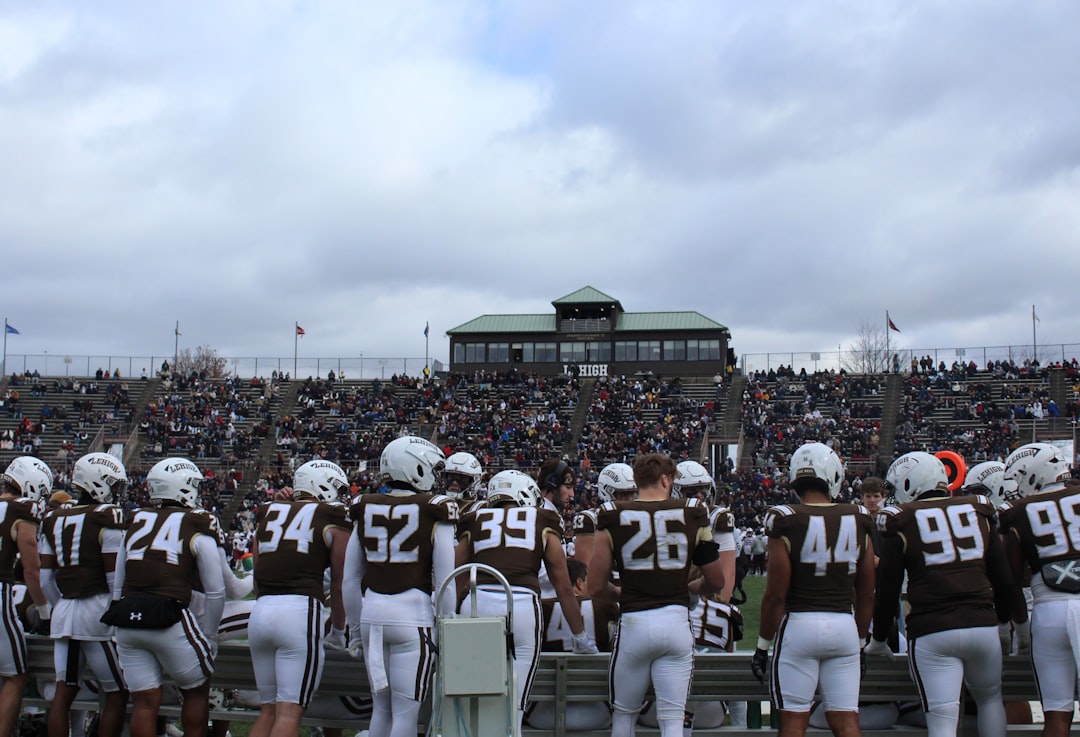
This rotation ensures that the Sugar Bowl periodically plays a central role in determining the national champion.
When the Sugar Bowl Hosts a CFP Semifinal
During semifinal years, the four highest-ranked teams compete in two designated bowl games. The matchups are structured to pit:
- #1 vs. #4
- #2 vs. #3
The selection of which semifinal is played in the Sugar Bowl depends on the playoff rotation and geographic considerations. When it hosts a semifinal, traditional conference tie-ins are suspended.
This is why, in certain seasons, you may see teams from conferences like the Big Ten, ACC, or even independent programs such as Notre Dame playing in the Sugar Bowl.
What Happens If the SEC Champion Makes the Playoff?
This is one of the most common scenarios, especially given the strength of the SEC in recent decades. If the SEC champion is selected for the College Football Playoff:
- The Sugar Bowl selects the next-highest-ranked SEC team that is not in the playoff.
This could be:
- The SEC runner-up
- A division winner
- A highly ranked at-large SEC team
The same principle applies to the Big 12. If its champion advances to the playoff, the Sugar Bowl selects the next-best available Big 12 team.
Selection Criteria and Rankings
The College Football Playoff selection committee plays a critical role in determining participants. The committee evaluates teams based on:
- Win-loss record
- Strength of schedule
- Conference championships
- Head-to-head results
- Injuries and player availability
For non-semifinal Sugar Bowls, rankings still matter. While conference contracts guide placements, the goal is to create a compelling and high-quality matchup.
The SEC’s Strong Influence
The Sugar Bowl’s identity is closely tied to the SEC. For decades, the game has frequently featured powerhouse programs such as:
- Alabama
- LSU
- Georgia
- Florida
- Auburn
The geographic proximity to SEC territory—particularly Louisiana—adds to the atmosphere. When LSU qualifies, the Superdome often becomes an extension of Tiger Stadium.
Image not found in postmetaThe Role of the Big 12
The Big 12 became a formal Sugar Bowl partner during the BCS era and continued into the CFP format. Programs such as:
- Texas
- Oklahoma
- Baylor
- Kansas State
- Oklahoma State
have made notable Sugar Bowl appearances. The SEC vs. Big 12 dynamic has produced high-scoring games, contrasting playing styles, and intense inter-conference competition.
What About the Expanded Playoff?
With the expansion of the College Football Playoff to 12 teams, the Sugar Bowl continues to play a significant role. In the expanded system, New Year’s Six bowls are used as either:
- Quarterfinal sites
- Semifinal sites
This means that in certain seasons, the Sugar Bowl may host a quarterfinal matchup rather than its traditional tie-in game.
In those cases, teams playing in the Sugar Bowl will be determined strictly by playoff seeding. The higher-seeded team typically earns geographic considerations, but the selection committee’s bracket ultimately dictates the matchup.
Special Circumstances and At-Large Selections
While conference tie-ins are central, special circumstances occasionally influence the field:
- If a conference does not have an eligible team ranked high enough
- If multiple teams from one conference reach the playoff
- If contractual adjustments are triggered by playoff placements
However, these situations are relatively rare. In most years, the lineup follows predictable structures tied to rankings and conference performance.
Why the Sugar Bowl Matters
Understanding who plays in the Sugar Bowl requires recognizing its national importance. The game is not merely an exhibition. It often features:
- Conference champions
- Top five nationally ranked teams
- Future NFL players
- Coaching legacies in defining moments
In semifinal or quarterfinal years, it can determine who advances toward a national championship. Even in non-playoff years, it remains one of the sport’s most prestigious rewards for elite teams.
A Clear Answer to the Question
So, who plays in the Sugar Bowl?
The most accurate answer is:
- In standard years: The top available teams from the SEC and Big 12.
- In College Football Playoff semifinal years: Two of the nation’s top four teams.
- In expanded playoff years when hosting a quarterfinal or semifinal: Teams assigned based on playoff seedings.
The participants are determined by a structured blend of conference agreements and national rankings. While specific teams change from year to year, the caliber of competition remains consistently elite.
Ultimately, the Sugar Bowl endures because it adapts while preserving tradition. Whether it is an SEC champion facing a Big 12 rival or two national title contenders battling under the Superdome lights, the game stands as a centerpiece of the college football postseason. For fans, analysts, and players alike, earning a place in the Sugar Bowl signifies excellence at the highest level of the sport.