
Manchester United’s midfield has been at the heart of both its greatest triumphs and its most frustrating shortcomings. As the club looks to rebuild into a genuine Premier League and Champions League contender, the question of which midfielder they should sign for the “Cisco” project—an internal rebuild centered on control, structure, and technical dominance—has become increasingly important. Identifying the right profile is not simply about talent; it is about tactical fit, leadership, durability, and long-term vision.
TLDR: Manchester United need a midfielder who combines defensive intelligence, press resistance, and progressive passing to anchor the “Cisco” rebuild. Options like João Neves, Frenkie de Jong, and Amadou Onana offer different strengths, from control and composure to power and defensive reliability. The right choice depends on whether the club prioritizes technical dominance, physical presence, or long-term development. Overall, a balanced, press-resistant controller appears to be the most urgent need.
Understanding the “Cisco” Vision
The “Cisco” project represents a philosophical shift. It emphasizes:
- Structured buildup play from the back
- Midfield control under pressure
- Athletic pressing and compactness
- Faster ball progression through central areas
Manchester United have often struggled with transitions. Too frequently, matches become stretched, exposing defensive weaknesses and isolating attackers. To correct this, the midfield must become the team’s control center.
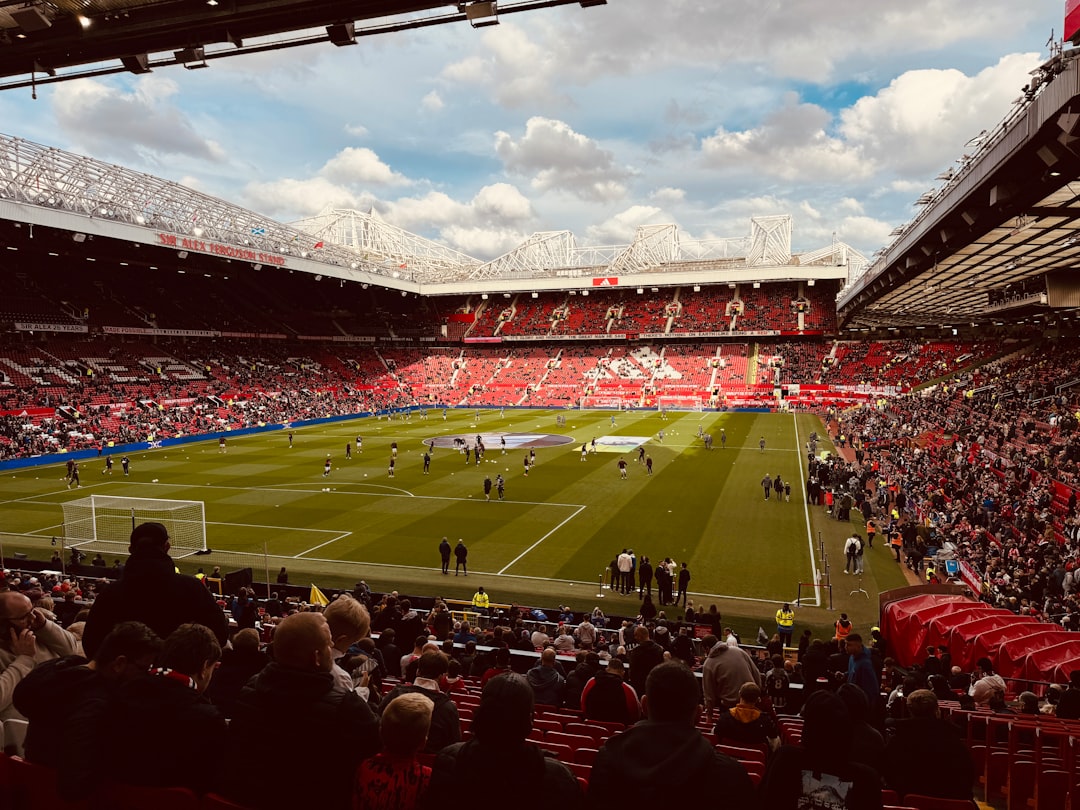
A new signing must complement existing midfielders while elevating overall tempo and intelligence. The player should not merely fill a role but transform how United manage games.
Key Qualities Required in the New Midfielder
Before evaluating specific players, it is important to define what the club needs most:
1. Press Resistance
In modern football, midfielders face relentless pressure. The ideal signing must be comfortable receiving the ball on the half-turn and escaping tight spaces.
2. Progressive Passing
United need someone who consistently breaks lines—not just sideways recycling but purposeful forward distribution.
3. Defensive Awareness
While ball-playing ability is crucial, defensive positioning and anticipation cannot be compromised.
4. Longevity and Physical Output
The Premier League demands endurance. The next midfielder must sustain high-intensity pressing while avoiding recurrent injuries.
Top Candidates for Manchester United
1. João Neves (Benfica)
Profile: Technical controller, high energy presser, intelligent distributor.
João Neves represents the modern midfield archetype. Despite his relatively young age, he demonstrates composure beyond his years. His strengths include:
- Excellent short and medium-range passing
- Relentless pressing intensity
- Tactical discipline in defensive shape
- Quick ball recovery and recycling
Neves would fit seamlessly into the “Cisco” framework. He thrives in structured systems and would immediately improve tempo control. However, questions about physical adaptation to the Premier League may arise.
Image not found in postmeta2. Frenkie de Jong (Barcelona)
Profile: Elite ball carrier, press-resistant metronome, positional orchestrator.
De Jong has long been admired for his ability to dictate play. His strengths include:
- Outstanding press resistance
- Progressive dribbling through midfield
- Calm decision-making under pressure
- Big-game European experience
If the aim is to transform United into a possession-dominant side, De Jong is arguably the most complete solution. His experience would immediately elevate the squad. The main concerns revolve around transfer cost and wage structure.
3. Amadou Onana (Everton)
Profile: Physical ball-winner with growing technical ability.
Onana offers something slightly different. Rather than being a pure controller, he provides athletic dominance and defensive security.
- Strong aerial presence
- Powerful tackling
- Box-to-box capability
- Premier League experience
While Onana may not dictate tempo like Neves or De Jong, he would add balance and physical resilience. For a league as intense as England’s, this profile is extremely valuable.

Comparison Chart
| Player | Age Profile | Strengths | Weaknesses | Estimated Cost Level |
|---|---|---|---|---|
| João Neves | Young Prospect | Pressing, short passing, intelligence | Physical adaptation | Very High |
| Frenkie de Jong | Prime Years | Press resistance, control, experience | High wages, injury history | Very High |
| Amadou Onana | Developing Prime | Physicality, defensive presence | Less creative distribution | High |
Strategic Considerations
Financial Structure
Manchester United must remain cautious with wage inflation. A sustainable rebuild means aligning recruitment with long-term budget discipline.
Squad Balance
If the team already includes creative attacking midfielders, the new signing may need to lean more defensive. Conversely, if defensive structure is solid, a creative controller becomes the priority.
Immediate Impact vs. Long-Term Development
De Jong provides instant transformation. Neves promises a decade of growth. Onana secures physical stability. The decision ultimately depends on whether the club prioritizes rapid resurgence or steady evolution.
The Ideal Choice for the Cisco Project
When assessing tactical fit alone, João Neves appears to embody the balance between control, intensity, and adaptability. His profile aligns directly with a system that demands:
- Midfield compactness
- Quick passing triangles
- Defensive responsibility without sacrificing creativity
However, if financials allow and immediate impact is the overriding priority, Frenkie de Jong may represent the transformative leap required to restore European competitiveness.
Ultimately, the “Cisco” project is about control—of space, tempo, and structure. The midfielder who best guarantees those qualities should lead Manchester United’s next era.
Conclusion
Manchester United stand at a crossroads. The next midfielder signed under the “Cisco” strategy will shape the club’s playing identity for years to come. Whether through the youthful brilliance of João Neves, the refined excellence of Frenkie de Jong, or the commanding presence of Amadou Onana, the decision must reflect clarity of vision.
A modern powerhouse cannot thrive without midfield authority. If United choose wisely, they can rebuild not just their lineup, but their philosophy—restoring composure, credibility, and competitive edge.
FAQ
1. Why is midfield such a priority for Manchester United?
Midfield dictates tempo, defensive transitions, and attacking buildup. Without control in this area, the team becomes vulnerable to high pressing and counterattacks.
2. Who is the most technically gifted option mentioned?
Frenkie de Jong stands out for his press resistance, dribbling, and high-level European experience.
3. Which player offers the most physical presence?
Amadou Onana provides strong tackling, aerial ability, and athletic dominance suited to the Premier League.
4. Is signing a young midfielder a risk?
There is always adaptation risk, but younger signings like João Neves offer long-term value and resale potential.
5. What should ultimately guide the decision?
The decision should align with tactical strategy, financial sustainability, and the long-term identity Manchester United wish to establish under the “Cisco” rebuild.