
Major League Baseball has a long and storied history filled with dramatic pennant races, legendary rivalries, and unforgettable games. Among those historic moments, few events capture the imagination quite like ultra-long contests that seemingly refuse to end. These marathon matchups test the endurance of players, the patience of managers, and the loyalty of fans. But when it comes to the ultimate question—what is the longest game in MLB history?—the answer depends on whether you’re measuring by innings played or by time elapsed.
TLDR: The longest game in MLB history by innings was a 26-inning matchup between the Brooklyn Robins and the Boston Braves in 1920, ending in a 1–1 tie. By time, the record belongs to an 8-hour, 6-minute 25-inning game between the Chicago White Sox and Milwaukee Brewers in 1984. Both games stand as enduring symbols of baseball’s unpredictable and timeless nature. Each represents a different definition of “longest,” but both remain unmatched in their respective categories.
The Longest MLB Game by Innings: 26 Innings (1920)
The record for the most innings ever played in an MLB game belongs to a contest between the Brooklyn Robins (now the Los Angeles Dodgers) and the Boston Braves (now the Atlanta Braves). On May 1, 1920, the two teams battled for 26 innings at Braves Field in Boston.
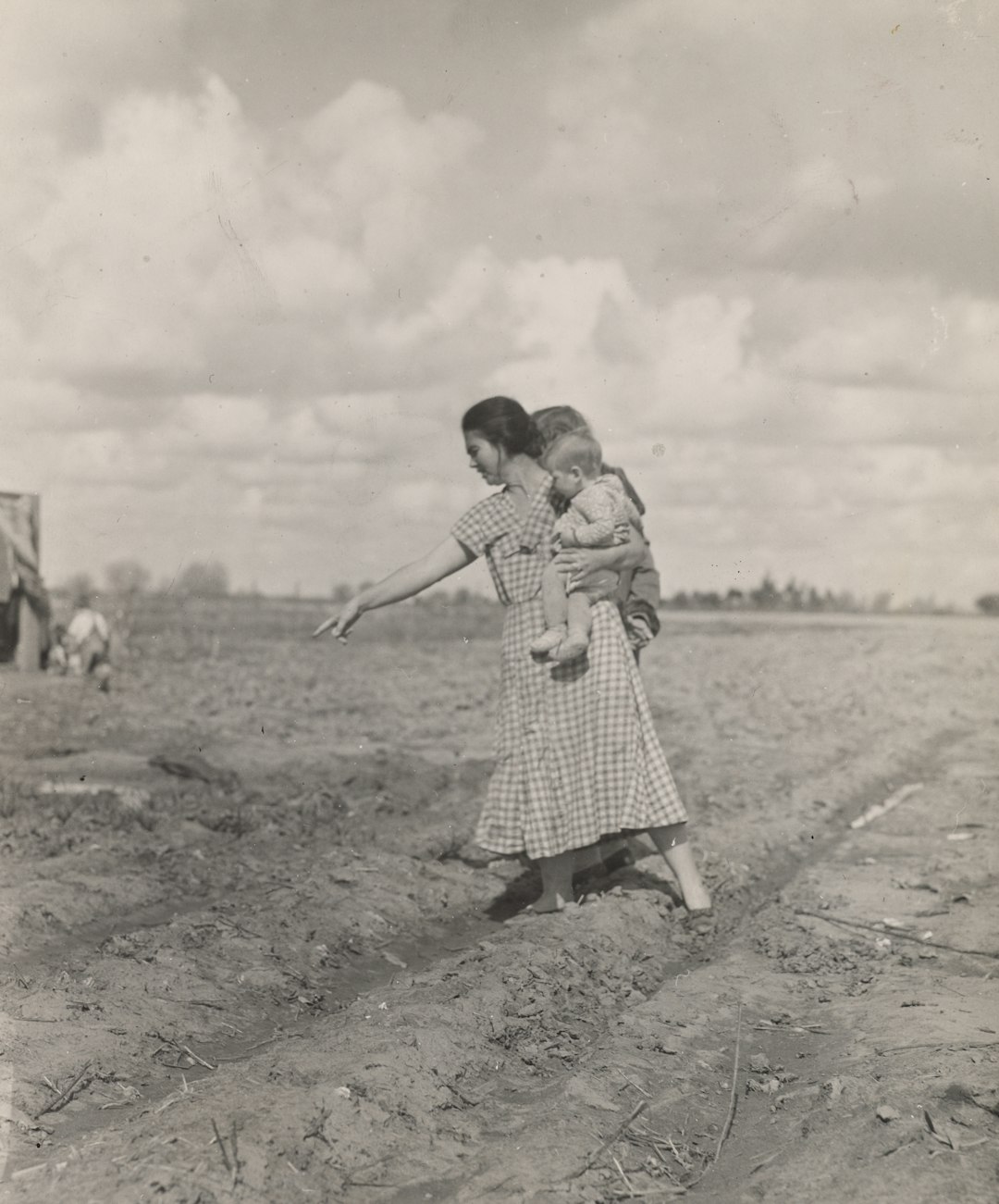
The game ended in a 1–1 tie due to darkness. At the time, stadium lighting was nonexistent, and once daylight faded, play could not continue. Unlike modern baseball, there were no provisions for suspended games under these circumstances.
Key Facts About the 1920 Game:
- Date: May 1, 1920
- Teams: Brooklyn Robins vs. Boston Braves
- Total Innings: 26
- Final Score: 1–1 tie
- Duration: Approximately 3 hours and 50 minutes
One of the most astonishing aspects of the game was the pitching performance. Brooklyn’s Leon Cadore and Boston’s Joe Oeschger threw virtually the entire game for their respective teams. Oeschger pitched all 26 innings, while Cadore pitched 25 2/3 innings. In modern baseball, where pitch counts are closely monitored and complete games are increasingly rare, such a feat appears almost unimaginable.
Despite its extraordinary length in innings, the game’s total time was under four hours—illustrating how much the pace of baseball has changed over the decades. Minimal mound visits, fewer pitching changes, and faster play contributed to a remarkably brisk tempo by today’s standards.
The Longest MLB Game by Time: 8 Hours, 6 Minutes (1984)
When discussing the longest game in MLB history by duration, the spotlight shifts to a modern-era marathon: the 25-inning battle between the Chicago White Sox and the Milwaukee Brewers in 1984.
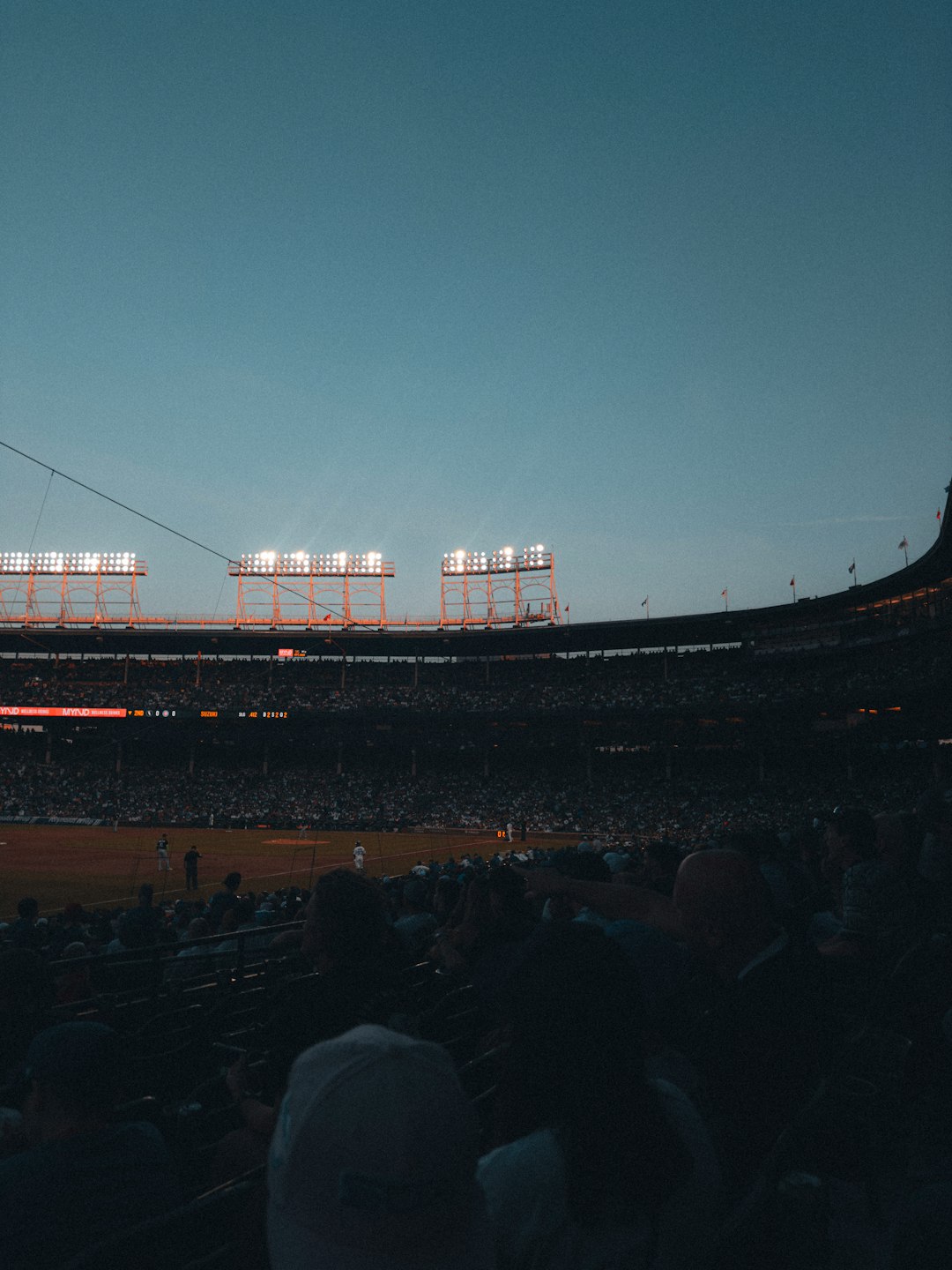
This historic game began on May 8, 1984, at Comiskey Park in Chicago and did not conclude until the following night, May 9. After 17 innings, American League President Lee MacPhail suspended play due to a league rule prohibiting new innings from starting after 12:59 a.m. The game resumed the next evening and ultimately concluded in the 25th inning.
Key Facts About the 1984 Game:
- Dates: May 8–9, 1984
- Teams: Chicago White Sox vs. Milwaukee Brewers
- Total Innings: 25
- Total Time: 8 hours, 6 minutes
- Final Score: White Sox 7, Brewers 6
The game featured dramatic momentum swings, depleted bullpens, and position players pressed into emergency pitching duty. White Sox pitcher Tom Seaver—who did not participate in the marathon itself—was scheduled to start the following day and famously remarked on the exhaustion surrounding the team.
Harold Baines ultimately delivered the game-winning home run in the 25th inning, sealing the record for time duration. This contest remains the longest MLB game ever played by clock time.
Comparison: Longest by Innings vs. Longest by Time
| Category | 1920 Robins vs. Braves | 1984 White Sox vs. Brewers |
|---|---|---|
| Total Innings | 26 | 25 |
| Game Duration | ~3 hours 50 minutes | 8 hours 6 minutes |
| Final Result | 1–1 Tie | White Sox 7–6 Win |
| Era | Dead-ball era | Modern era |
| Lighting | No stadium lights | Night game with lights |
This comparison underscores how dramatically baseball has evolved. Changes in offensive strategies, bullpen management, commercial breaks, replay reviews, and overall pacing have significantly increased the length of modern games.
Other Notable Marathon Games
While the 1920 and 1984 contests hold the official records, several other games deserve mention for their extraordinary length and endurance.
1. 24-Inning Games
Multiple MLB games have reached 24 innings, including a well-known 1964 matchup between the New York Mets and the San Francisco Giants. Like many marathon games, these contests often feature extraordinary pitching performances and severely taxed bullpens.
2. Postseason Marathon: 18 Innings (2018)
In modern playoff history, one of the longest contests occurred during the 2018 World Series between the Los Angeles Dodgers and the Boston Red Sox. The game lasted 18 innings and stretched to 7 hours and 20 minutes. Max Muncy’s walk-off home run finally ended the longest game in World Series history by time and innings.
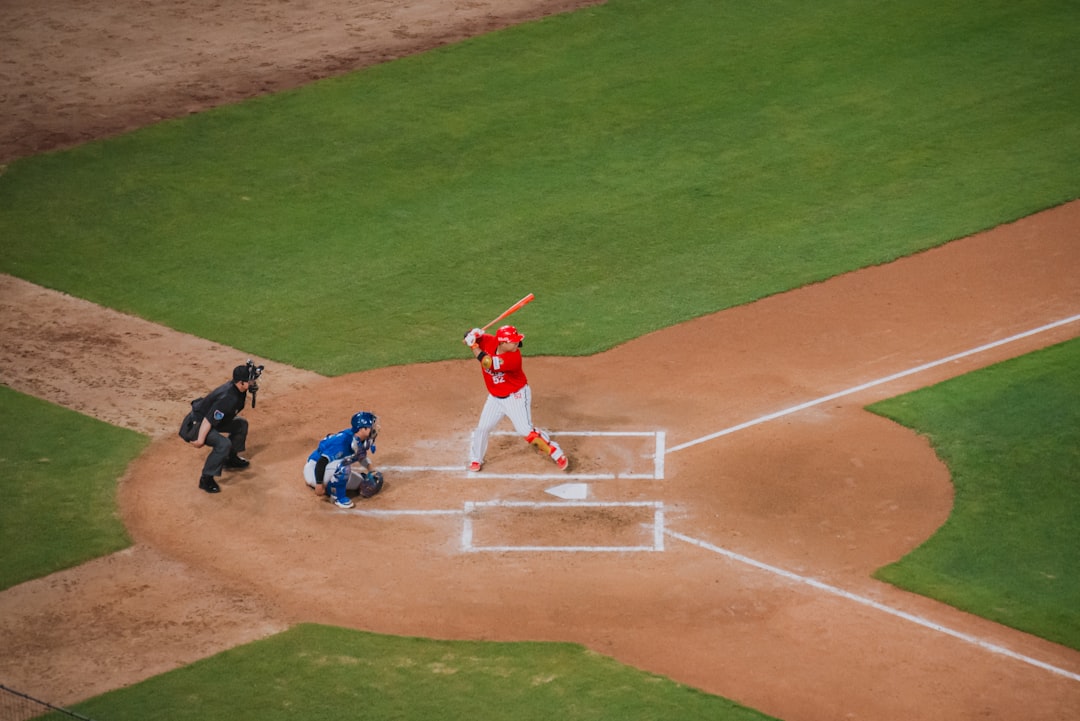
Because postseason games cannot end in ties, they often present the potential for extended extra-inning drama.
Why Long Games Were More Common in the Past
Prior to modern rule changes, baseball games had fewer structural limits. Several factors contributed to longer contests:
- No lighting: Games could be halted due to darkness.
- No automatic runner: Extra innings could continue indefinitely.
- Smaller bullpens: Starting pitchers often threw deep into games.
- Fewer commercial breaks: Faster transitions between innings.
Ironically, although earlier games sometimes lasted more innings, they were frequently shorter in total time than today’s nine-inning matchups.
Modern Rule Changes and Their Impact
In recent years, MLB has implemented rules intended to reduce game length and prevent marathon extra-inning battles:
- Automatic runner on second base starting in extra innings (regular season)
- Pitch clock implementation
- Restrictions on mound visits
- Limits on intentional walks (no-pitch walk)
The extra-inning “ghost runner” rule, introduced in 2020, significantly reduces the likelihood of games extending past 15 or 16 innings in the regular season. As a result, it is highly unlikely that a 25- or 26-inning regular-season game will occur again under current rules.
Player Endurance in Marathon Games
The physical and mental toll of extended baseball games cannot be understated. Pitchers risk arm fatigue and injury, position players face concentration lapses, and managers must improvise strategies as rosters thin out.
In the 1920 marathon, Leon Cadore reportedly threw over 300 pitches. In today’s MLB, a pitcher is typically removed after reaching 100 pitches. Advances in sports medicine have highlighted the strain such performances place on athletes’ bodies, making earlier records even more remarkable.
Position players have occasionally pitched in ultra-long games after bullpens were exhausted, leading to unusual and often memorable moments.
Will the Record Ever Be Broken?
Given current MLB rules, breaking either record appears highly unlikely:
- By innings: The automatic runner reduces extended stalemates.
- By time: The pitch clock shortens game duration substantially.
- Suspension rules: Games are more carefully regulated.
While postseason games still allow traditional extra innings, bullpen specialization and strategic scoring approaches make 25-plus innings improbable. Any modern attempt to surpass even 20 innings would be extraordinary.
Conclusion
So, what is the longest game in MLB history? The answer depends on how you define “longest.” The 26-inning tie between the Brooklyn Robins and Boston Braves in 1920 holds the record for innings played. Meanwhile, the 25-inning, 8-hour, 6-minute battle between the Chicago White Sox and Milwaukee Brewers in 1984 stands as the longest by time.
Both games represent defining examples of baseball’s timeless appeal—a sport without a clock, where drama unfolds until an outcome is reached or circumstances intervene. Though modern rule changes make similar marathons unlikely, these historic contests remain enduring reminders of baseball’s capacity for perseverance, unpredictability, and sheer endurance.
For fans and historians alike, these records are more than statistical oddities. They embody an era of baseball where limits were tested, patience was rewarded, and the game truly had no bounds.