
Clemson leads the Troy vs. Clemson football series 2-0, but the record does not tell the whole story. Both meetings came in the modern era, both were played at Clemson’s Memorial Stadium, and both revealed something useful about each program. Clemson had the bigger brand, deeper roster, and national goals. Troy showed enough bite to make the matchup far more interesting than a routine non conference date.
TLDR: Clemson is unbeaten against Troy, winning 43-19 in 2011 and 30-24 in 2016. Across the two games, Clemson has outscored Troy 73-43, an average margin of 15 points per game. The best example of Troy’s threat came in 2016, when the Trojans lost by only six to a Clemson team that later won the national championship. If a fan is ranking Clemson’s most uncomfortable “should win” games, that 2016 matchup belongs near the top.
Troy vs. Clemson: Series Snapshot
- All time record: Clemson leads 2-0
- First meeting: 2011
- Most recent meeting: 2016
- Games at Clemson: 2
- Games at Troy: 0
- Total points: Clemson 73, Troy 43
- Closest game: Clemson 30, Troy 24 in 2016
The matchup is short, but it has a clear theme. Clemson entered both games as the stronger Power Five program. Troy entered as the dangerous Sun Belt opponent with nothing to lose. It drives fans crazy when games like this get called “warmups,” because Troy has been good enough to turn a sleepy Saturday into a fourth quarter problem.
2011: Clemson 43, Troy 19
The 2011 meeting was the first game between the schools. It also became an early marker for Clemson’s new offensive direction under coordinator Chad Morris. Tajh Boyd was stepping into a bigger role at quarterback, and Sammy Watkins was making his college debut. Clemson fans knew Watkins was talented. They did not yet know he would become one of the most electric players in school history.
Troy did not roll over. The Trojans led 16-13 at halftime, and Clemson looked uneven. That mattered because Clemson was trying to prove it had moved beyond inconsistent offense and wasted talent. The Tigers responded with a huge second half, outscoring Troy 30-3 after the break.
Boyd threw for multiple touchdowns, Watkins flashed his speed, and Clemson eventually won by 24. The final score looks comfortable. The first half was not. That is the part worth remembering. Troy exposed gaps before Clemson corrected them.
The 2011 Clemson team went on to win the ACC Championship, beating Virginia Tech in the title game. So while the Troy game was not the biggest win of Clemson’s season, it was part of the early growth of a team that helped reset the program’s ceiling.
2016: Clemson 30, Troy 24
The 2016 game is the famous one. Clemson was ranked near the top of the country and had national championship expectations. Troy arrived under head coach Neal Brown with a sharp offense and a fearless attitude. The Trojans almost made the whole sport stop and stare.
Clemson won 30-24, but there was nothing smooth about it. Troy stayed close deep into the game. Clemson’s offense produced enough, yet mistakes kept the door open. The strangest moment came when Ray Ray McCloud appeared to score on a punt return but dropped the ball before crossing the goal line. The play became a touchback instead of a Clemson touchdown. Honestly, it still feels like one of those plays fans replay just to suffer again.
Deshaun Watson led Clemson at quarterback, and Mike Williams was a major receiving threat. Clemson had future NFL talent all over the field, including defenders such as Christian Wilkins, Dexter Lawrence, and Ben Boulware. Troy countered with quarterback Brandon Silvers, running back Jordan Chunn, and a balanced attack that refused to fade.
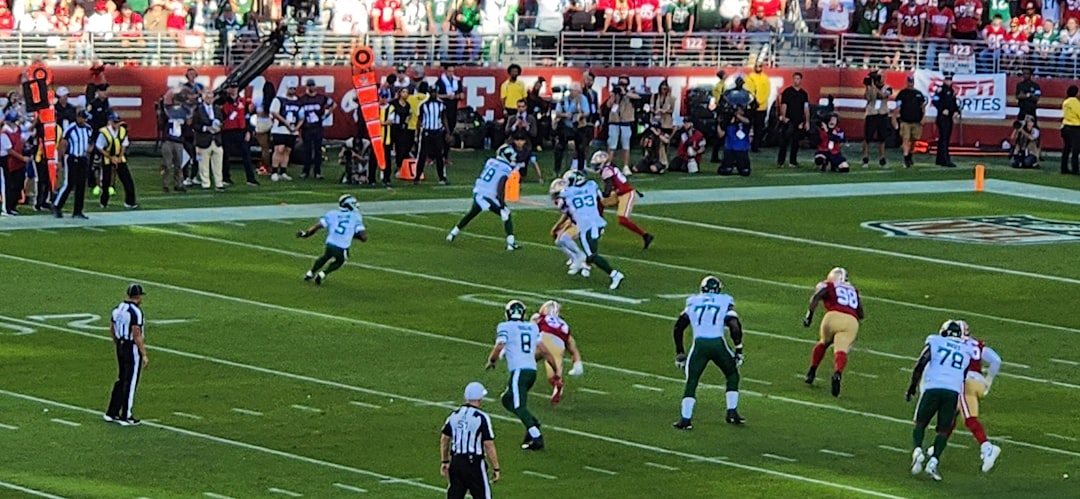
That game aged well for both teams. Clemson later beat Alabama to win the national title. Troy finished with a strong season and proved it could compete with elite competition. A six point loss to the future champion is not a moral victory everyone wants to brag about, but it is still a useful measuring stick.
Key Clemson Players in the Series
- Tajh Boyd: Helped Clemson pull away in 2011. His growth was central to the Tigers’ ACC title season.
- Sammy Watkins: Debuted in the 2011 game and quickly showed why he was one of the most hyped freshmen in the nation.
- Deshaun Watson: Quarterbacked Clemson in the tight 2016 win, during a season that ended with a national championship.
- Mike Williams: Gave Clemson a major target in 2016 and helped stretch Troy’s defense.
- Christian Wilkins and Dexter Lawrence: Part of Clemson’s loaded 2016 defensive front, even though Troy still found ways to move the ball.
Key Troy Players in the Series
- Corey Robinson: Troy’s quarterback in 2011, when the Trojans shocked Clemson early and led at halftime.
- Brandon Silvers: Managed the 2016 game well and kept Troy in striking distance against one of the best teams in the country.
- Jordan Chunn: A physical back who helped Troy avoid becoming one dimensional in 2016.
- Neal Brown: Coached Troy in 2016 and built a team that was organized, confident, and tough to put away.
What the Numbers Say
The data is limited, but it still says plenty. Clemson has won 100% of the games in the series. The Tigers have scored 36.5 points per game, while Troy has scored 21.5. Clemson’s average winning margin is 15 points.
Still, the trend moved toward Troy. In 2011, Clemson won by 24. In 2016, Clemson won by only 6. That is an 18 point swing, or a 75% reduction in Clemson’s margin of victory. With only two games, nobody should overstate the trend, but the contrast is hard to ignore.
Why These Games Matter
For Clemson, the Troy games are reminders that talent alone does not erase mistakes. The Tigers had championship level rosters, yet Troy forced them to work. For Troy, the games showed the value of scheduling up. A strong performance at Clemson can raise respect, help recruiting, and give players proof that they can handle elite speed.

The Troy vs. Clemson series is not a long rivalry. There is no annual trophy. There is no shared conference history. But the matchups have produced useful football: one game that showed Clemson’s rising offense in 2011, and one game that nearly embarrassed the eventual national champion in 2016.
If the teams meet again, Clemson will likely be favored. That is normal. The real question is whether Troy can repeat the 2016 formula: protect the ball, stretch the field, survive the early crowd noise, and make Clemson play tense football in the fourth quarter. Based on history, that is not a wild ask.