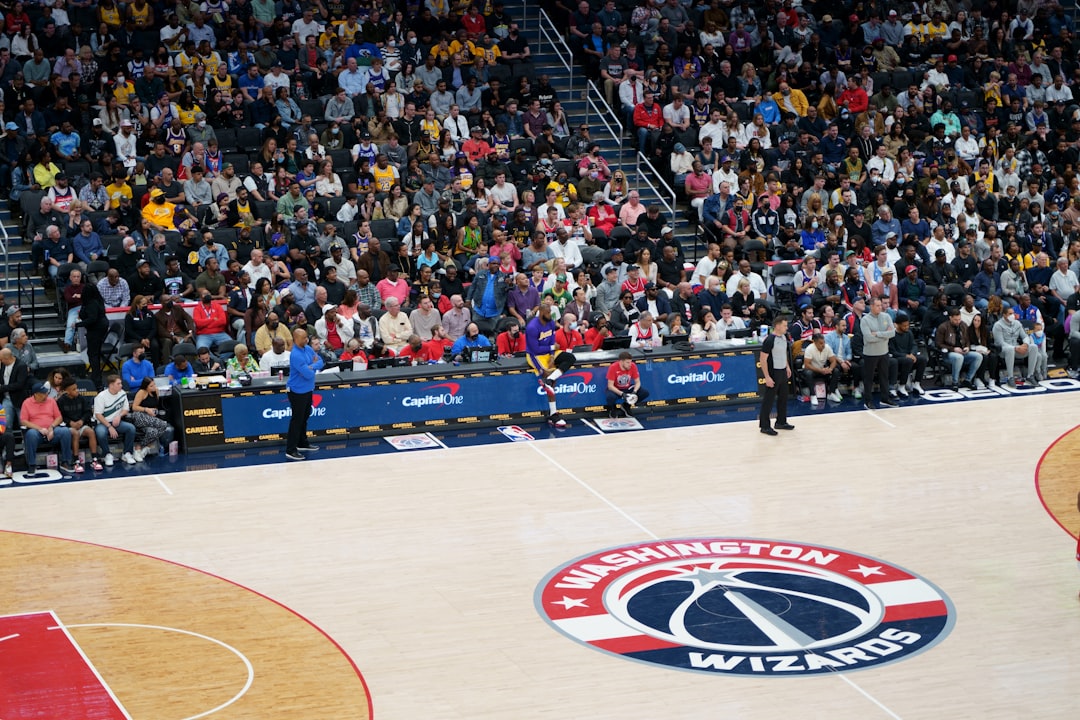

The San Antonio Spurs and the Los Angeles Lakers have shared one of the most compelling rivalries in NBA history. Spanning decades, Hall of Famers, dynasties, rebuilds, and unforgettable playoff clashes, their matchups have often shaped the Western Conference landscape. From Magic Johnson and Kareem Abdul-Jabbar to Tim Duncan and Kobe Bryant—and now to rising stars like Victor Wembanyama—the timeline of Spurs vs. Lakers games reflects the evolution of modern basketball itself.
TLDR: The Spurs vs. Lakers rivalry has evolved through multiple eras, beginning with the Showtime Lakers, intensifying during the Tim Duncan and Kobe Bryant years, and continuing into today’s rebuilding chapters. Playoff battles in the early 2000s defined the Western Conference and produced legendary performances. While both franchises have gone through transitions, their matchups remain a symbol of excellence, strategy, and star power. The timeline of their games reveals not just wins and losses, but the shifting balance of NBA dominance.
The Early Years: Showtime Sets the Tone (1980s)
The rivalry began gaining national significance during the 1980s. At the time, the Lakers were in the midst of their Showtime era, led by Magic Johnson and Kareem Abdul-Jabbar. The Spurs, while competitive, had yet to find the championship formula that would later define them.
Key themes from this early period:
- Lakers dominance: Los Angeles frequently controlled the Western Conference.
- Spurs building identity: San Antonio relied on strong team basketball and consistent playoff appearances.
- Playoff encounters: The Lakers often overpowered the Spurs with fast-paced offense.
The 1980s established an initial power imbalance, but it also planted the seeds for future intensity. The Spurs were learning—and watching.
Image not found in postmetaThe Admiral Arrives: 1990s Transition Era
The arrival of David Robinson in 1989 shifted San Antonio’s trajectory. Known as “The Admiral,” Robinson brought credibility and star power to the Spurs, turning them into legitimate contenders. Meanwhile, the Lakers were transitioning from the Showtime era into a new phase following Magic Johnson’s retirement.
Throughout the 1990s:
- The Spurs became consistent 50-win contenders.
- The Lakers rebuilt around young talents, including a teenage Kobe Bryant and the dominant Shaquille O’Neal.
- Regular season games grew more intense and competitive.
Although playoff matchups during this decade were limited compared to the 2000s, the competitive gap narrowed significantly. By the late 1990s, it was clear that the Western Conference was about to revolve around these two franchises.
The Dynasty Collision: Duncan vs. Kobe (1999–2010)
This period defines the Spurs vs. Lakers timeline more than any other. With Tim Duncan anchoring San Antonio and Kobe Bryant leading the Lakers alongside Shaq (and later Pau Gasol), the rivalry reached iconic status.
The Spurs won their first NBA Championship in 1999. The Lakers responded with a three-peat from 2000 to 2002. Every playoff meeting felt like a heavyweight title fight.
Memorable Playoff Series
- 2001 Western Conference Finals: Lakers sweep Spurs en route to championship.
- 2003 Western Conference Semifinals: Spurs win series and later capture NBA title.
- 2004 Western Semifinals: Derek Fisher’s iconic 0.4 second shot stuns San Antonio.
- 2008 Western Conference Finals: Lakers defeat Spurs before winning the West.
These series were defensive masterclasses mixed with clutch shot-making. Duncan’s fundamental excellence contrasted with Kobe’s explosive scoring. Coaching also played a crucial role—Gregg Popovich versus Phil Jackson became a battle of basketball philosophy.
Strategic contrasts:
- Spurs: Ball movement, disciplined defense, pick-and-roll execution.
- Lakers: Triangle offense, isolation scoring, dominant interior presence.
This era produced five championships for the Spurs (1999, 2003, 2005, 2007, 2014) and five for the Lakers (2000, 2001, 2002, 2009, 2010) within a 15-year window. Their timelines were inseparable.
Image not found in postmetaStatistical Snapshot: Peak Rivalry Years
| Season Range | Spurs Championships | Lakers Championships | Notable Matchups |
|---|---|---|---|
| 1999–2003 | 2 | 3 | 2001 WCF, 2003 Semifinals |
| 2004–2010 | 2 | 2 | 0.4 shot series, 2008 WCF |
| 2011–2014 | 1 | 0 | Regular season battles |
This table highlights how tightly contested their dominance was. Rarely has one conference been controlled so firmly by just two franchises.
The Changing of the Guard (2011–2018)
As Kobe Bryant battled injuries and Tim Duncan approached retirement, the rivalry shifted. The Spurs evolved into a beautiful-motion offense built around Tony Parker, Manu Ginóbili, and Kawhi Leonard. Meanwhile, the Lakers entered a rebuilding phase after their 2010 championship.
Highlights from this period include:
- San Antonio’s 2014 championship run featuring historically efficient ball movement.
- Kobe Bryant surpassing scoring milestones against familiar Western opponents.
- The gradual decline of consistent playoff clashes between the two teams.
When Duncan retired in 2016 and Kobe followed shortly after, an era officially closed. The rivalry’s emotional core had shifted.
The LeBron Era vs. Spurs Rebuild (2018–Present)
The Lakers acquired LeBron James in 2018 and later traded for Anthony Davis, resulting in the 2020 NBA Championship. The Spurs, meanwhile, began restructuring after trading Kawhi Leonard.
Although playoff intensity diminished, regular season matchups continued to draw large audiences—especially with LeBron facing Gregg Popovich’s disciplined schemes.
Recent storylines include:
- Lakers 2020 title: Restored Los Angeles to contender status.
- Spurs youth movement: Developing young talent through drafts.
- Emergence of Victor Wembanyama: Renewing attention around San Antonio.
The dynamic has shifted once again: from superstar duels to generational transition. Yet each meeting still carries historical weight.
Iconic Individual Performances
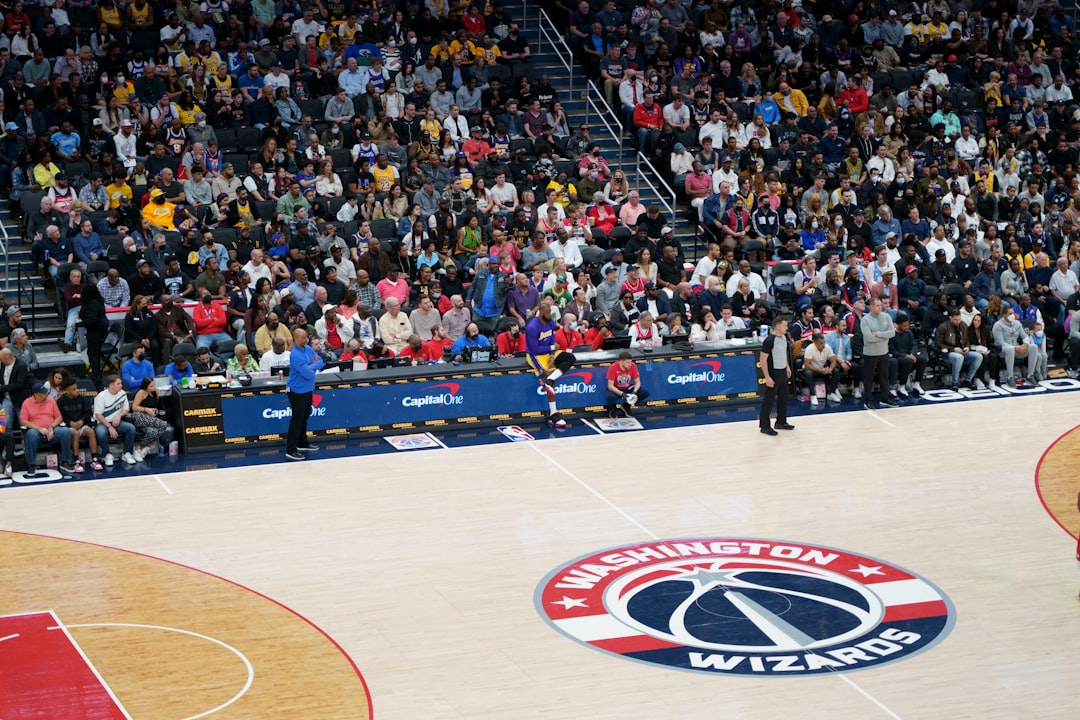
Over the decades, individual brilliance has defined key games:
- Kobe Bryant: Multiple 40+ point performances against San Antonio in playoff settings.
- Tim Duncan: Near quadruple-double in 2003 Finals run after eliminating Lakers.
- Shaquille O’Neal: Dominant interior performances in early 2000s series.
- Kawhi Leonard: Two-way impact during 2014 championship period.
- LeBron James: Triple-doubles propelling Lakers to comeback wins.
These performances weren’t just statistical—they often shifted championship trajectories.
Coaching Legacy: Popovich vs. Jackson
No timeline is complete without acknowledging the sideline masterminds.
Gregg Popovich built a culture of accountability, adaptability, and international scouting success.
Phil Jackson managed egos and implemented the triangle offense to perfection.
Their strategic battles influenced how modern basketball is coached. Spacing, pace, defensive switching, and player empowerment all evolved during their tenure.
Head-to-Head All-Time Perspective
Across regular seasons and playoffs combined, the Lakers hold a slight edge in overall wins. However, the Spurs boast one of the highest playoff winning percentages in league history, much of it achieved while frequently eliminating Los Angeles in decisive series.
Historical trends show:
- The Lakers thriving during star-driven bursts.
- The Spurs maintaining long-term consistency.
- Both franchises adapting better than most NBA teams to generational changes.
Why the Rivalry Still Matters
Even when one team is rebuilding, Spurs vs. Lakers games carry symbolic meaning. They represent:
- Small market vs. glamour market.
- System basketball vs. star-driven offense.
- Stability vs. spectacle.
Every new chapter adds to decades of shared history. When Wembanyama faces the Lakers’ latest superstar acquisition years from now, analysts will inevitably reference Duncan and Kobe. The timeline doesn’t reset—it evolves.
Looking Ahead
The Spurs’ future appears promising with elite young talent and a proven developmental structure. The Lakers, historically aggressive in free agency and trades, will likely remain competitive through bold roster moves.
Possible future storylines:
- Wembanyama vs. established All-NBA forwards.
- Coaching chess matches in potential Play-In or playoff games.
- Renewed postseason stakes in a stacked Western Conference.
Basketball rivalries rarely remain static. The Spurs vs. Lakers timeline demonstrates cycles of dominance, rebuilding, reinvention, and resurgence. From Showtime to the Big Fundamental, from the Mamba Mentality to a new global phenom in silver and black, this rivalry has mirrored the league’s growth.
Ultimately, the story of Spurs vs. Lakers is not just about game results. It is about identity, adaptability, and excellence across eras. As the NBA continues to evolve—with faster pace, deeper shooting, and global reach—this rivalry remains a living archive of basketball history.