
Few high school and collegiate activities inspire as much debate as marching band. To some, it is an art form rooted in musical performance and visual design. To others, it is a physically demanding competition that requires strength, endurance, and teamwork comparable to traditional athletics. The question persists in locker rooms, band halls, and school board meetings alike: Is marching band a sport?
TLDR: Marching band combines intense physical activity, strategic coordination, and competitive performance, leading many to argue that it qualifies as a sport. While it differs from traditional athletics in its emphasis on music and artistry, its physical and mental demands are undeniable. The classification often depends on how one defines “sport.” Ultimately, marching band exists at the intersection of athletics and the performing arts.
Defining a Sport
To determine whether marching band is a sport, one must first understand what defines a sport. A commonly accepted definition includes several key elements:
- Physical exertion and skill
- Competition against others
- Structured rules and governing bodies
- Training and practice
Traditional sports such as football, soccer, and basketball clearly satisfy these criteria. They require athletic ability, organized competition, and adherence to standardized regulations. However, other activities—like gymnastics, figure skating, and cheerleading—blur the line between sport and performance. Marching band often falls into this same gray area.
The Physical Demands of Marching Band
Observers who have never participated in marching band may underestimate its physical intensity. Members do far more than simply walk and play instruments. They march in precise formations, often at high speeds, while maintaining perfect posture and breath control.

Consider the physical requirements involved:
- Carrying instruments that can weigh between 10 and 40 pounds
- Marching several miles during a single practice
- Executing rapid directional changes
- Performing choreographed body movements
- Playing instruments that demand lung capacity and stamina
Drumline members, for example, may carry harnessed percussion instruments weighing up to 40 pounds for extended periods. Brass and woodwind players must maintain strong core muscles to support proper posture and consistent airflow. Color guard performers incorporate dance, spins, and tosses with flags, rifles, or sabers, all of which require considerable strength and coordination.
Band camps, which often occur in the heat of late summer, can last eight to twelve hours per day. Injuries such as sprains, dehydration, muscle strains, and stress fractures are not uncommon. From a purely physical standpoint, marching band meets many of the same demands as traditional athletic programs.
Competition and Structure
Another hallmark of sports is organized competition. Marching bands frequently compete at regional, state, and national levels. Panels of judges evaluate performances based on:
- Musical accuracy
- Visual precision
- General effect
- Creativity and design
These competitions operate under strict guidelines established by governing organizations. Bands receive numeric scores, rankings, and championship titles. The competitive circuit can be intense, with teams dedicating months to perfecting a single show.
Like athletic teams, marching bands:
- Hold tryouts or auditions
- Attend scheduled practices
- Travel to competitions
- Wear uniforms
- Represent their schools or organizations
This structured environment closely mirrors that of recognized sports leagues.
Teamwork and Strategy
No successful marching band performance occurs without collective coordination. Each member must understand their position relative to every other member on the field. A single mistimed step can disrupt an entire formation.
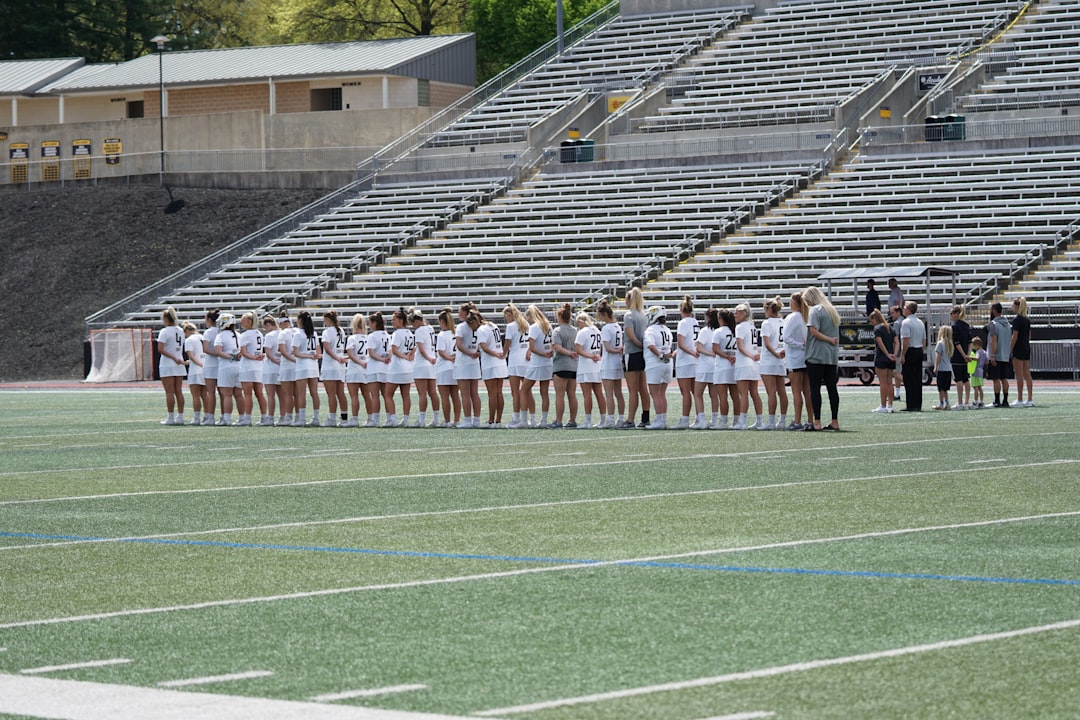
Drill design—the arrangement of performers into moving shapes—resembles strategic plays in sports. Directors and visual designers carefully map out each formation, taking into account spacing, timing, and visual impact. Performers memorize countless “sets,” or positions, and transition between them with split-second precision.
Teamwork in marching band extends beyond formations. Musicians must:
- Balance sound across instrument sections
- Adjust tempo collectively
- Maintain consistent tone quality
- Respond to conducting cues
This level of coordination demands acute awareness, discipline, and trust—traits equally valued in team sports.
The Artistic Counterargument
Despite the compelling athletic parallels, critics argue that marching band is fundamentally a performing art, not a sport. The primary objective is artistic expression through music and visual storytelling. Judges evaluate creativity and emotional impact, not merely measurable physical outcomes like goals or points scored through direct opposition.
Furthermore, there is typically no direct physical confrontation between competing bands. In football or basketball, teams actively try to prevent their opponents from scoring. In marching band competitions, each group performs separately and is evaluated independently.
This distinction leads some to classify marching band alongside activities such as:
- Theater
- Orchestra
- Dance companies
- Performance art ensembles
Yet even here, the lines are not absolute. Figure skating and gymnastics also emphasize artistic presentation, and both are widely recognized Olympic sports.
Mental Toughness and Discipline
Beyond physical exertion, marching band requires significant mental endurance. Members must memorize extensive musical scores and drill charts while managing academic responsibilities. Performers often experience performance anxiety similar to that faced by athletes before major competitions.
The ability to recover quickly from mistakes is crucial. If a marcher misses a set or cracks a note, the show must continue seamlessly. This resilience mirrors the mental fortitude required in high-pressure sporting events.
Time management is another major factor. Rehearsals frequently occur daily during peak season, with additional weekend competitions. Balancing these commitments fosters discipline and responsibility.
Recognition and Institutional Debate
School administrations vary in how they classify marching band. Some recognize it as a sport, granting participants physical education credit. Others categorize it strictly under fine arts.
The classification can have practical implications, such as:
- Funding allocation
- Access to athletic trainers
- Letterman jacket eligibility
- Insurance coverage
In some regions, marching band members advocate for athletic recognition due to the physical demands and risk of injury. In others, participants take pride in its artistic identity and resist sports labeling.

Comparisons to Similar Activities
Activities like cheerleading and competitive dance have undergone similar debates. Once viewed primarily as sideline entertainment, cheerleading is now recognized in many institutions as a sport due to its athletic complexity and injury risk.
The evolution of perception often depends on cultural attitudes. As marching band shows have become increasingly intricate—featuring elaborate choreography, props, and demanding drill patterns—the argument for athletic classification has strengthened.
A Hybrid Identity
Ultimately, marching band may best be understood as a hybrid activity. It embodies both the competitive rigor of sport and the expressive depth of performance art. Participants train like athletes while performing like musicians and dancers.
This dual identity can be seen as a strength rather than a limitation. Students develop:
- Cardiovascular endurance
- Musical proficiency
- Spatial awareness
- Collaborative skills
- Emotional expression
Few activities demand such a diverse skill set. The question of whether marching band is a sport may therefore miss the point. It is a multifaceted discipline that transcends simple categorization.
Conclusion
The debate over whether marching band qualifies as a sport ultimately depends on how one defines athletic competition. It meets many traditional criteria: physical exertion, structured practices, organized competition, and teamwork. At the same time, it prioritizes artistic creativity and musical interpretation.
Rather than forcing marching band into a single category, it may be more accurate to recognize it as a unique blend of sport and art. Its participants train with the stamina of athletes and perform with the sensitivity of artists. Whether labeled a sport or not, the dedication required is undeniable—and worthy of respect.
Frequently Asked Questions (FAQ)
1. Does marching band require physical fitness?
Yes. Marching band demands cardiovascular endurance, muscular strength, and flexibility. Members often engage in conditioning exercises and rehearse for hours at a time while carrying heavy instruments.
2. Are there injuries in marching band?
Injuries can occur, including muscle strains, sprains, dehydration, and stress-related injuries. The physical nature of rehearsals and performances places real demands on participants.
3. Do marching bands compete against each other?
Yes. Many marching bands participate in organized competitions where judges score performances based on musical and visual criteria.
4. Why do some people say marching band is not a sport?
Critics argue that marching band focuses on artistic performance rather than direct physical competition, and opponents do not play simultaneously to block or defend against one another.
5. Can marching band be both a sport and an art?
Many believe it can. Marching band combines athletic discipline with artistic creativity, making it a hybrid activity that draws from both domains.
6. Do colleges consider marching band a sport?
Policies vary by institution. Some colleges grant athletic recognition or physical education credit, while others classify it strictly under performing arts programs.