
The question of whether Cam Ward is playing in the bowl game has become one of the most discussed topics among college football fans, analysts, and NFL scouts. As bowl season approaches, speculation about player availability—especially star quarterbacks—can significantly affect team expectations and betting lines alike. Ward’s status carries particular weight given his leadership role and impact on the field throughout the season. Understanding whether he will suit up requires looking at recent developments, team statements, draft considerations, and the broader context of modern college football.
TLDR: Cam Ward’s participation in the bowl game depends on multiple factors, including NFL Draft considerations, potential transfer decisions, and team strategy. While official announcements generally come close to game day, trends among top quarterbacks suggest caution when draft stock is high. Fans should monitor team statements and credible insider reports for confirmation. His decision will significantly impact the team’s offensive outlook.
The Importance of Cam Ward to His Team
Cam Ward has established himself as one of the most dynamic quarterbacks in college football. Known for his arm strength, mobility, and composure under pressure, Ward has been central to his team’s offensive identity. Over the course of the season, he has demonstrated the ability to extend plays, read complex defensive schemes, and deliver in high-pressure moments.
From a statistical perspective, Ward’s production speaks volumes. He has consistently ranked among conference leaders in:
- Passing yards per game
- Touchdown passes
- Completion percentage under pressure
- Third-down conversion efficiency
Beyond numbers, his leadership presence in the locker room and on the field has been noted by coaches and teammates alike. In bowl preparation settings, where practice intensity and morale matter significantly, a quarterback’s involvement can shape the team’s overall competitiveness.

Why Bowl Game Participation Is Often Uncertain
In today’s college football landscape, participation in non-College Football Playoff (CFP) bowl games is no longer automatic for star players. Over the past decade, an increasing number of top prospects have opted out to prepare for the NFL Draft. The rationale is straightforward: avoid injury and protect draft stock.
For a player like Cam Ward, whose professional prospects continue to gain attention, the decision involves weighing several factors:
- Projected NFL Draft position
- Current health status
- Long-term financial implications
- Personal and team legacy considerations
Even a minor injury in a bowl game can have significant consequences for draft positioning and contract value. Agents and advisors often play a key role in guiding athletes through this decision-making process.
Recent Statements and Official Updates
When assessing whether Cam Ward is playing in the bowl game, it is essential to rely on official team announcements, verified social media posts, and statements from credible reporters. Coaches typically address player availability during pre-bowl press conferences.
If Ward has publicly committed to playing, that announcement usually comes through:
- Team press conferences
- Official athletic department releases
- Player social media accounts
- Trusted sports journalists
However, some coaching staffs strategically delay confirmations to maintain competitive ambiguity. As a result, clarity may not come until shortly before kickoff.
Impact on Team Strategy and Game Outlook
The difference between starting Cam Ward and relying on a backup quarterback is substantial. Offensive schemes are often tailored specifically to the starter’s strengths. With Ward under center, the team can employ:
- Expanded vertical passing concepts
- Advanced read-option packages
- Up-tempo offensive drives
- Complex pre-snap adjustments
If he opts out, offensive coordinators may simplify the playbook to accommodate a less experienced quarterback. This could lead to a heavier reliance on the running game and shorter passing concepts.
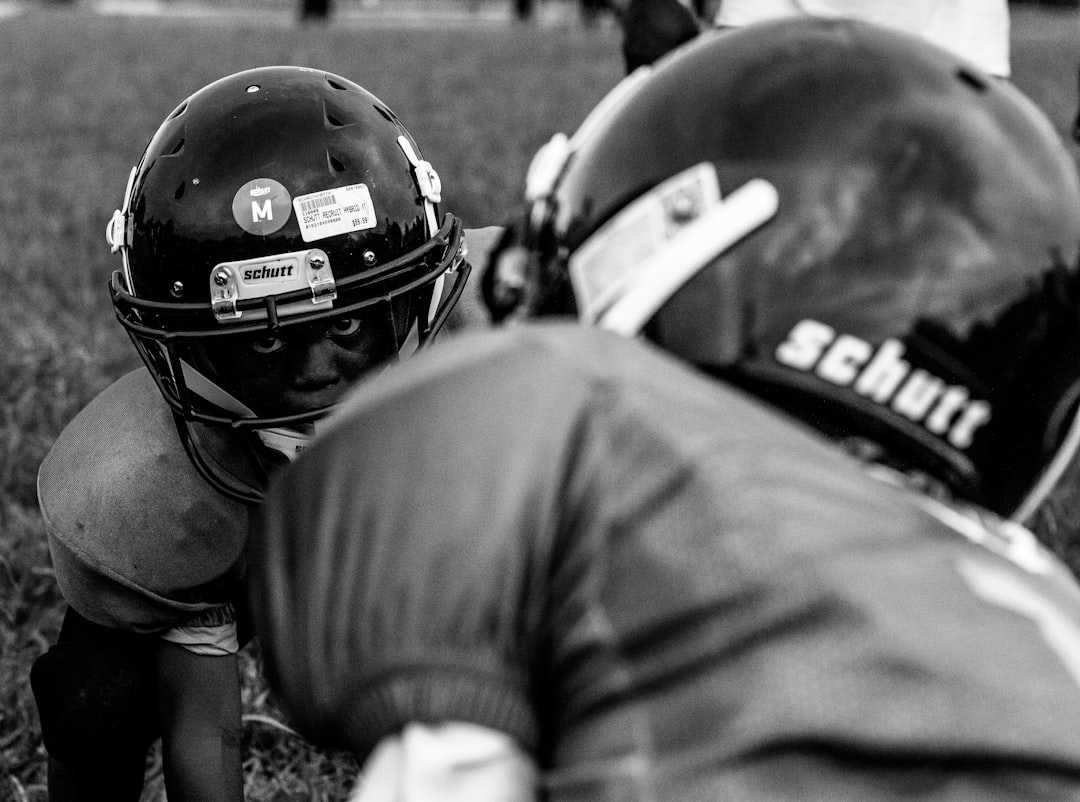
From a competitive standpoint, oddsmakers also adjust point spreads based on quarterback availability. The presence of a proven starter like Ward can shift betting lines by several points, illustrating just how pivotal his involvement is perceived to be.
The NFL Draft Factor
For many athletes in Ward’s position, the NFL Draft plays a decisive role in bowl participation. Quarterbacks projected within early rounds often face intense scrutiny and evaluation during pre-draft processes such as:
- Senior Bowl or all-star games
- NFL Combine testing
- Pro day workouts
- Private team interviews
Maintaining optimal physical condition is paramount during this period. Even a seemingly minor injury can reduce a prospect’s draft leverage. In recent years, numerous quarterbacks have decided that protecting their professional future outweighs the symbolic value of one final college appearance.
That said, some players choose differently. They prioritize competing alongside teammates, finishing what they started, and strengthening team culture. For those with mid-round projections, a strong bowl performance can even enhance draft stock.
Team Goals and Bowl Game Significance
The significance of the bowl game itself matters. If the matchup is part of the College Football Playoff, participation becomes far more likely. However, in non-playoff bowl games, particularly those outside the New Year’s Six, opt-outs are increasingly common.
Factors that influence a player’s decision include:
- The historical prestige of the bowl
- The strength of the opponent
- The team’s overall season narrative
- Personal attachment to teammates and coaches
If the bowl represents a major milestone—for example, a program-record win opportunity or a conference championship implication—Ward may feel a stronger pull to participate.
Locker Room and Leadership Considerations
Quarterbacks are often described as extensions of the coaching staff on the field. A decision to play or opt out goes beyond individual interests; it carries symbolic meaning within the locker room.
If Ward plays, it signals commitment to teammates and a desire to finish the journey together. If he opts out, it likely reflects a calculated professional decision—one that many players and coaches now understand and support.
In recent years, team cultures have adapted to the evolving landscape. Players no longer face the same stigma for prioritizing draft preparation, particularly when future earnings and career longevity are at stake.
How Fans Should Interpret the Situation
For fans wondering whether Cam Ward is playing in the bowl game, patience and reliance on credible reporting are crucial. Social media speculation can spread quickly, but not all sources are equally reliable.
To stay accurately informed:
- Follow verified team accounts
- Monitor reputable national sports reporters
- Check official depth charts released before the game
- Watch pregame warmup reports
Avoid overreacting to unverified rumors, especially in the weeks leading up to the game. Decisions can evolve as players consult advisors and assess health conditions.
Conclusion: So, Is Cam Ward Playing?
Ultimately, whether Cam Ward plays in the bowl game depends on an intersection of competitive ambition, professional aspiration, health evaluation, and team context. If his draft stock is secure and health remains a concern, opting out becomes understandable. If he and his advisors determine that participation carries manageable risk—with potential upside—he may take the field.
What remains certain is this: his presence dramatically enhances his team’s offensive capabilities and overall competitiveness. Until an official declaration is made, the situation will remain fluid. In the modern college football era, bowl participation for star quarterbacks is no longer assumed—it is a deliberate and strategic decision.
For supporters, analysts, and observers alike, the best course is to watch for authoritative updates while recognizing the broader realities shaping college athletes’ choices. Cam Ward’s decision, whichever it may be, will reflect careful consideration of both his loyalty to the program and his future beyond it.