
Pickleball is fast. Fun. Addictive. But every rally begins with one simple move: the serve. If you can’t serve well, you can’t score. The good news? Learning how to serve in pickleball is easier than you think. You just need the right steps and a little practice.
TLDR: The pickleball serve must be underhand and contact the ball below your waist. Keep one foot behind the baseline and aim diagonally into the opposite service court. Use a smooth motion, stay relaxed, and focus on accuracy before power. Practice consistently and you will improve fast.
Why the Serve Matters
In pickleball, you can only score when your team is serving. No serve. No points.
A strong serve gives you:
- Control of the rally
- Confidence at the start
- Pressure on your opponent
- An early advantage
But here’s the secret. Power is not everything.
Consistency wins games.
Step 1: Know the Basic Pickleball Serve Rules
Before swinging your paddle, understand the rules. They matter.
The official pickleball serve must follow these simple guidelines:
- The serve must be underhand
- Contact the ball below your waist
- The paddle head must move in an upward motion
- Both feet must stay behind the baseline
- The ball must land in the diagonal service court
Simple. But many beginners forget one of these.
Quick tip: Your waist is defined as your belly button level. Keep contact clearly below that.
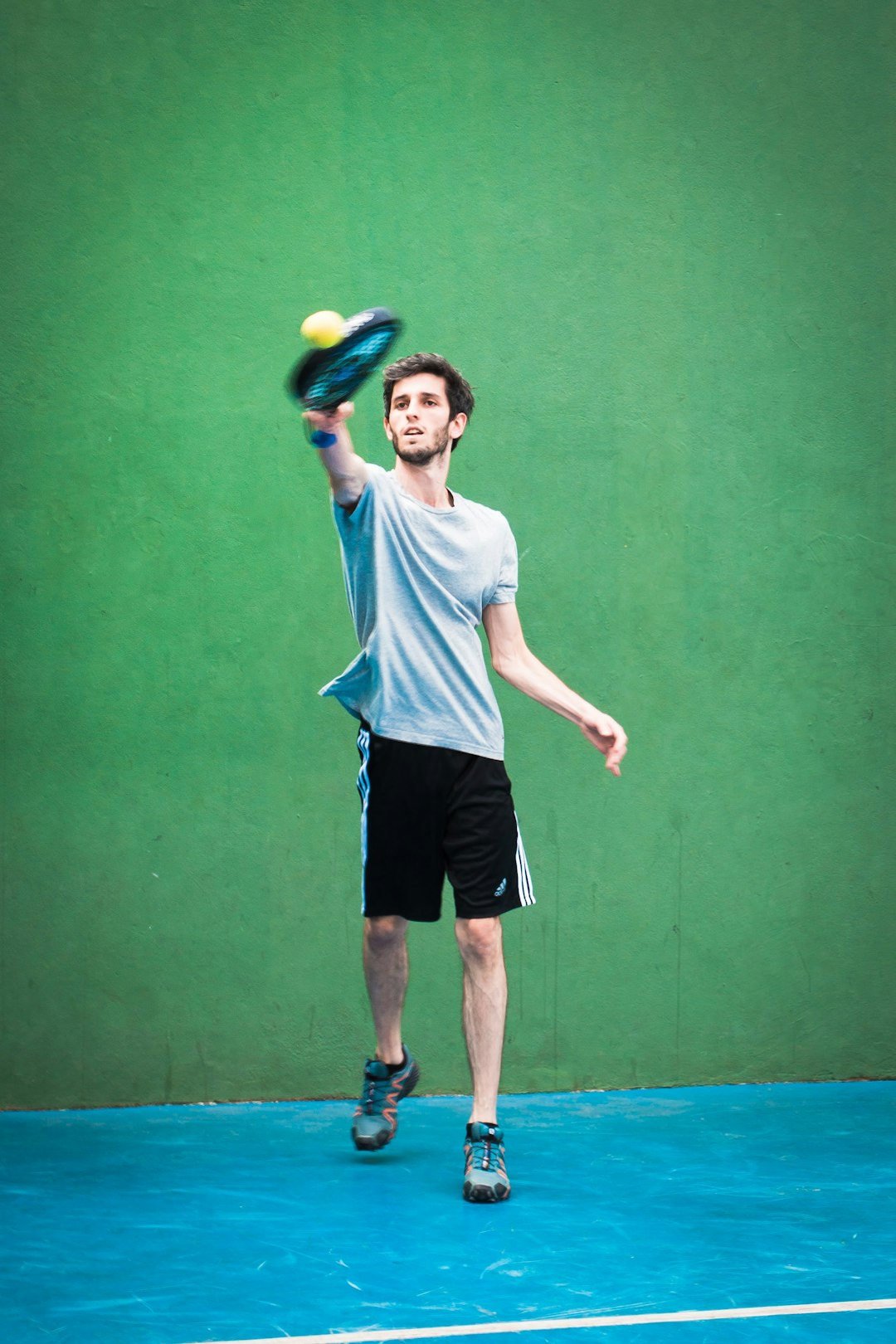
Step 2: Use the Right Grip
Your grip affects everything.
The most common grip for serving is the continental grip. It feels like you are shaking hands with the paddle.
Why use it?
- It gives control
- It allows spin
- It feels natural
- It works for both forehand and backhand
Avoid squeezing too hard.
Think of holding a tube of toothpaste. Firm. But not tight enough to squeeze paste out.
Step 3: Perfect Your Stance
Your stance sets up your entire motion.
Here’s how to stand:
- Place one foot slightly behind the other.
- Keep both feet behind the baseline.
- Point your body slightly toward the diagonal court.
- Bend your knees just a little.
- Relax your shoulders.
Your stance should feel balanced. Not stiff. Not rushed.
If you feel off-balance, your serve will show it.
Step 4: The Swing Motion
Now the fun part.
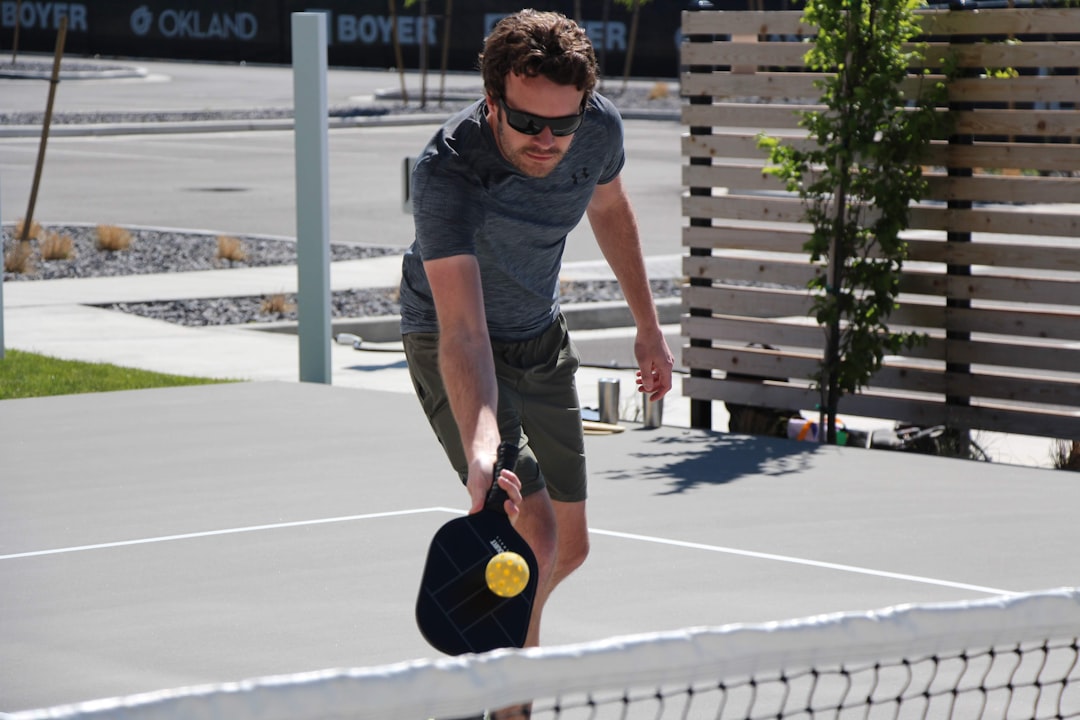
The pickleball serve uses a smooth, low-to-high motion.
Think of it as a gentle pendulum swing.
Here’s the step-by-step motion:
- Hold the ball in your non-paddle hand.
- Drop the ball. Do not throw it up.
- Let your paddle swing back slightly.
- Swing forward in an upward motion.
- Contact the ball below your waist.
- Follow through toward your target.
The key word is smooth.
Do not slap at the ball.
Do not rush.
Smooth equals consistent.
Step 5: Aim Before You Hit
Beginners often just “hit and hope.” Don’t do that.
Pick a target.
Look at your target.
Then serve.
Aiming tips:
- Start by aiming deep into the service box.
- A deep serve pushes opponents back.
- Avoid hitting near the net.
- Avoid sidelines until you gain control.
Depth is more important than speed.
Deep and safe wins over fast and risky.
Types of Pickleball Serves
Once you master the basic serve, you can mix things up.
Here are the most common types:
1. The Basic Deep Serve
- High and deep
- Safe and consistent
- Best for beginners
2. The Power Serve
- Faster pace
- Lower trajectory
- More risk
3. The Topspin Serve
- Forward rolling spin
- Drops quickly into court
- Kicks up after the bounce
4. The Slice Serve
- Side spin motion
- Ball curves in the air
- Pulls opponent wide
Start simple.
Add spin later.
Quick Comparison of Serve Types
| Serve Type | Difficulty | Control Level | Best For |
|---|---|---|---|
| Basic Deep Serve | Easy | High | Beginners |
| Power Serve | Medium | Medium | Intermediate players |
| Topspin Serve | Medium | Medium | Offensive players |
| Slice Serve | Hard | Low to Medium | Advanced players |
Step 6: Common Serve Mistakes
Everyone makes mistakes. That’s normal.
Watch out for these common issues:
- Hitting above the waist
- Tossing the ball instead of dropping it
- Stepping on the baseline
- Swinging too hard
- Forgetting to aim
If your serve keeps going into the net, swing slightly more upward.
If it keeps going long, reduce your power and focus on control.
Small adjustments make big improvements.
Serving Strategy Tips
Serving is not just mechanics. It’s strategy.
Try these smart tactics:
Serve to the Backhand
Most players have weaker backhands. Target that side.
Change Your Depth
Keep your opponent guessing. Mix deep serves with mid-depth occasionally.
Vary Your Speed
Don’t become predictable.
Watch Your Opponent
Do they struggle with high balls? Fast balls? Adjust.
Image not found in postmetaHow to Practice Your Serve
Practice does not need to be complicated.
Try this simple drill routine:
10-Minute Serve Routine
- Serve 10 balls crosscourt to the deep corner.
- Serve 10 balls to the middle of the box.
- Serve 10 balls focusing only on smooth motion.
- Serve 10 balls adding light topspin.
Track how many land in.
Your goal? 8 out of 10 successful serves.
Once you hit that consistently, increase difficulty.
Building Confidence at the Baseline
Nerves happen.
You’re at game point. Everyone is watching. You have to serve.
Here’s how to stay calm:
- Take one deep breath.
- Bounce lightly on your toes.
- Pick your target early.
- Trust your routine.
Routines reduce nerves.
Confidence grows from repetition.
Advanced Tip: The Pre-Serve Routine
Top players use a consistent pre-serve routine.
It might look like this:
- Tap the paddle twice on your hand.
- Look at the target.
- Take a breath.
- Serve.
Same steps. Every time.
This builds rhythm.
Rhythm builds consistency.
Final Thoughts
The pickleball serve is simple. But powerful.
Master these basics:
- Underhand motion
- Contact below the waist
- Smooth upward swing
- Deep diagonal aim
- Consistent practice
You don’t need a fancy serve to win.
You need a reliable one.
Start slow. Focus on control. Add power later.
With practice, your serve will become automatic.
And when it does?
You’ll step to the baseline with confidence. Every single time.
Now grab your paddle. Head to the court. And serve like you mean it.