
Use liquid laundry detergent first for most chocolate stains, and use dish soap only when the stain feels greasy or oily. Chocolate is a mixed stain: cocoa solids, sugar, milk, and fat all cling to fibers in different ways. The American Cleaning Institute recommends scraping off excess chocolate, flushing with cool water, and treating before washing [source: American Cleaning Institute].
TLDR: For a chocolate stain on washable fabric, scrape first, rinse with cold water, then pretreat with liquid laundry detergent for 10 to 15 minutes. If the chocolate was rich, buttery, or melted into the fabric, add a tiny drop of dish soap to cut the fat, then rinse well before laundering. Example: if a child drops a chocolate ice cream bar on a cotton T shirt, detergent handles most of the brown mark, while dish soap helps with the oily halo. In many home stain mishaps, waiting even 30 minutes makes removal harder because cocoa and fat start settling deeper into the weave.
Laundry Detergent vs Dish Soap: The Short Answer
Laundry detergent is the better all around stain treatment. It is made for fabric, rinse cycles, water temperatures, and washing machines. It contains surfactants that loosen soil, plus enzymes in many formulas that help break down food stains.
Dish soap is the grease specialist. It works well on the fatty part of chocolate, especially milk chocolate, ganache, frosting, or chocolate ice cream. But it can foam too much in a washing machine. Use it by hand, rinse it out, then wash the item with laundry detergent.
The catch is that chocolate looks simple, but it is annoyingly stubborn. One brown smear can contain fat, protein, tannins, sugar, and color. Treat only one part, and the rest may stay behind as a pale shadow.

Why Chocolate Stains Are So Tricky
Chocolate stains fabric in layers. First comes the visible cocoa color. Then the fat spreads into surrounding fibers. Sugar can make the mess sticky. Milk ingredients may react badly to heat. That is why hot water right away is a bad move.
Heat can set the stain. So can a dryer. If the mark is still visible after washing, do not dry the garment. Air dry it and treat it again. It is less satisfying, yes, but it saves the shirt.
When to Use Laundry Detergent
Use liquid laundry detergent when the stain is on:
- Cotton T shirts
- Jeans
- School uniforms
- Sweatshirts
- Tablecloths and napkins
- Most washable blends
Liquid detergent is easy to rub into fibers. It spreads evenly. It is also safer than throwing random cleaners at fabric and hoping for the best.
How to Treat Chocolate with Laundry Detergent
- Scrape off the excess. Use a spoon or dull knife. Do not grind chocolate deeper into the fabric.
- Rinse from the back. Hold the stained area under cold running water. Push the stain out the way it came in.
- Add liquid detergent. Apply a small amount directly to the stain.
- Work it in gently. Use your fingers or a soft brush. Avoid rough scrubbing on delicate fabric.
- Wait 10 to 15 minutes. Let the detergent loosen the cocoa and fats.
- Wash as usual. Use the warmest water allowed on the care label.
- Check before drying. If you still see brown or gray residue, repeat.
Honestly, it feels like chocolate stains wait until laundry day is already a mess. But this method is quick. Most fresh stains respond well if you do not panic and do not use heat too soon.
When to Use Dish Soap
Reach for dish soap when the stain is greasy, shiny, or spread out. This often happens with:
- Chocolate ice cream
- Chocolate buttercream
- Nutella style spreads
- Chocolate sauce
- Truffles and filled chocolates
Dish soap is designed to remove oil from plates and pans. That makes it useful for chocolate fat. Use only a drop or two. More soap does not mean more cleaning. It means more rinsing, more suds, and more irritation.
How to Treat Chocolate with Dish Soap
- Remove the chocolate chunks. Lift them away instead of smearing them.
- Flush with cold water. Work from the back of the fabric.
- Add one small drop of dish soap. Clear, dye free soap is best if you have it.
- Massage the oily area. Focus on the greasy ring around the stain.
- Rinse very well. This step matters. Dish soap left in fabric can create excess suds in the washer.
- Pretreat with laundry detergent next. This handles the rest of the food stain.
- Wash and inspect. Keep it out of the dryer until the stain is gone.
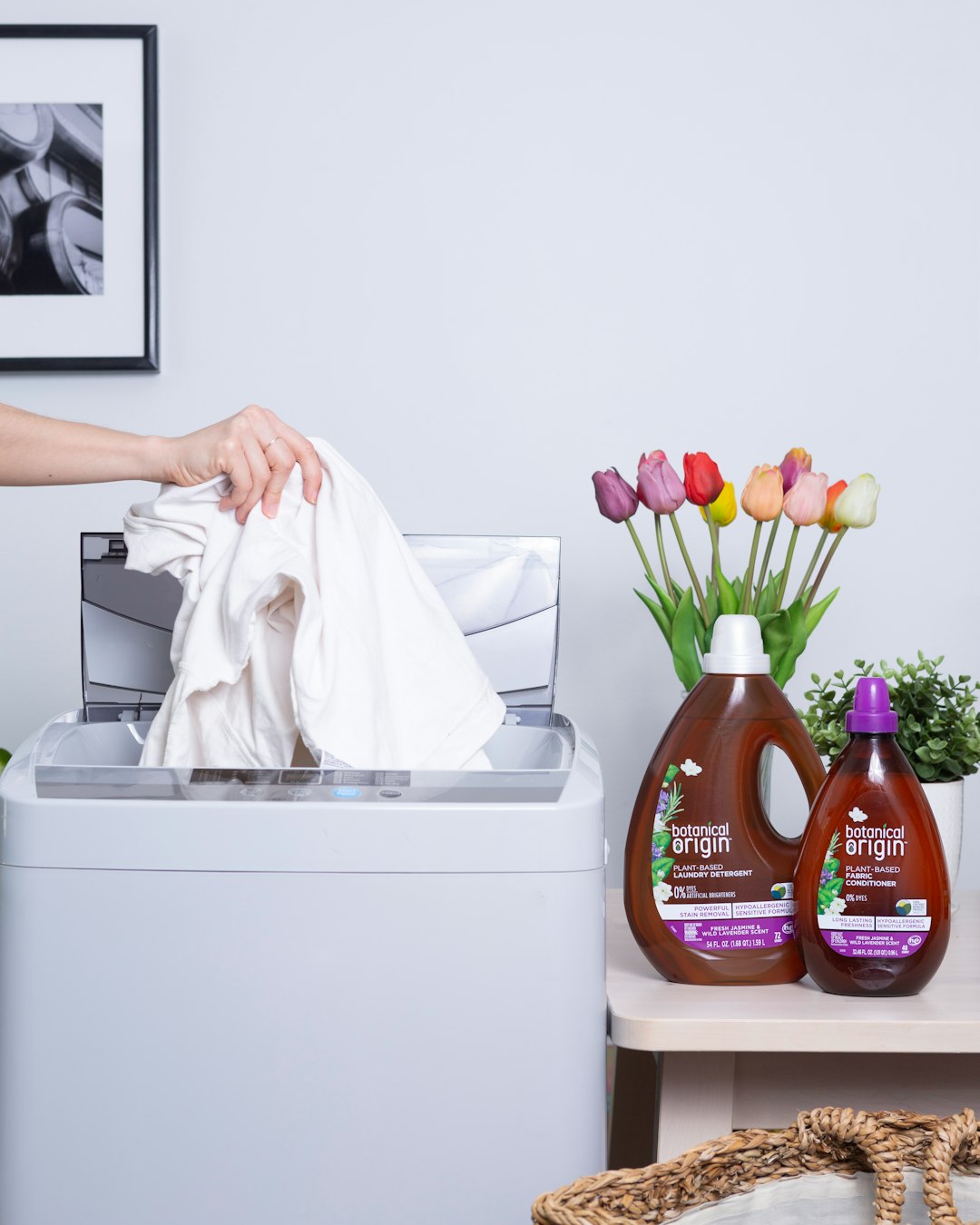
Which One Works Better?
For a fresh chocolate stain: laundry detergent usually wins. It treats the whole stain, not just the greasy part.
For melted chocolate: use dish soap first, then detergent. The dish soap breaks up the fat. The detergent finishes the job.
For an old stain: detergent is still the safer first choice. Let it sit longer, about 20 to 30 minutes. You may need two rounds.
For delicate fabrics: be careful with both. Silk, wool, rayon, and dry clean only garments need extra caution. Blot, do not scrub. When in doubt, take the item to a cleaner and mention that the stain is chocolate.
Common Mistakes That Make Chocolate Stains Worse
- Using hot water first. This can set dairy and cocoa marks.
- Rubbing hard. Scrubbing can spread the stain and damage fibers.
- Skipping the scrape step. Loose chocolate turns into a wider smear.
- Using too much dish soap. Excess suds are annoying and hard to rinse.
- Putting the item in the dryer too soon. Dryer heat can lock in the stain.
- Using bleach without checking the label. Some fabrics discolor or weaken.
What About White Clothes?
White fabric gives you less room for error. Treat fast. Rinse cold. Use liquid detergent. If the garment is bleach safe, an oxygen based stain remover can help after the first wash attempt. Avoid chlorine bleach on wool, silk, spandex, and many delicate blends.
For white cotton, a longer soak can work well. Mix water with laundry detergent or oxygen based stain remover according to the product label. Soak for a few hours, then wash. Check the stain in bright light before drying.
What About Upholstery or Non Washable Fabric?
Do not soak a couch cushion or dining chair. Too much water can leave rings or mildew. Scrape off solids. Blot with a damp cloth and a tiny amount of mild detergent solution. Then blot with clean water. Press dry with a towel.
If the fabric has a cleaning code, follow it. A “W” means water based cleaners may be safe. An “S” means solvent cleaner is preferred. If you cannot find the code, test in a hidden spot first.

A Simple Decision Guide
- Plain chocolate on washable fabric: use laundry detergent.
- Greasy melted chocolate: use a tiny bit of dish soap, rinse, then use detergent.
- Chocolate milk or ice cream: cold rinse, detergent, then wash.
- Old chocolate stain: detergent soak, repeat if needed.
- Delicate or dry clean only fabric: blot and get professional help.
Final Takeaway
Laundry detergent should be your main tool for chocolate stains. It is made for fabric and handles more parts of the stain. Dish soap is a useful helper when fat is the problem, but it should not replace detergent for regular laundry treatment.
The best approach is simple: scrape, cold rinse, pretreat, wash, inspect. If the stain survives, repeat before drying. Chocolate may be delicious, but on fabric it is a tiny cleaning project with attitude.