
A football quarter lasts 15 minutes in the NFL and college football, but that does not mean you can finish watching a game in one hour. The clock stops often, TV breaks interrupt the rhythm, and halftime adds more time. A regulation NFL game has four quarters, so the game clock totals 60 minutes, yet the real viewing time is usually a little over three hours.
TLDR: In the NFL and college football, each quarter is 15 minutes, while high school football usually uses 12-minute quarters. Basketball is shorter by quarter in the NBA, with 12-minute quarters, though college basketball uses two 20-minute halves instead. For example, if you sit down for a 1:00 p.m. NFL kickoff, expect the game to end around 4:10 p.m. to 4:20 p.m., not at 2:00 p.m. Analytics from recent NFL seasons often put the average game length near 3 hours and 10 minutes, even though the ball is live for only a fraction of that time.
How Long Is a Quarter in Football?
In standard American football, the game is split into four quarters. Each quarter has a set amount of clock time, but the clock does not run nonstop.
- NFL: 15 minutes per quarter
- College football: 15 minutes per quarter
- High school football: usually 12 minutes per quarter
- Youth football: often 8 to 10 minutes per quarter
So, at the pro and college levels, football has 60 minutes of regulation game time. High school games usually have 48 minutes. Youth games are shorter to match player age, safety needs, and event scheduling.
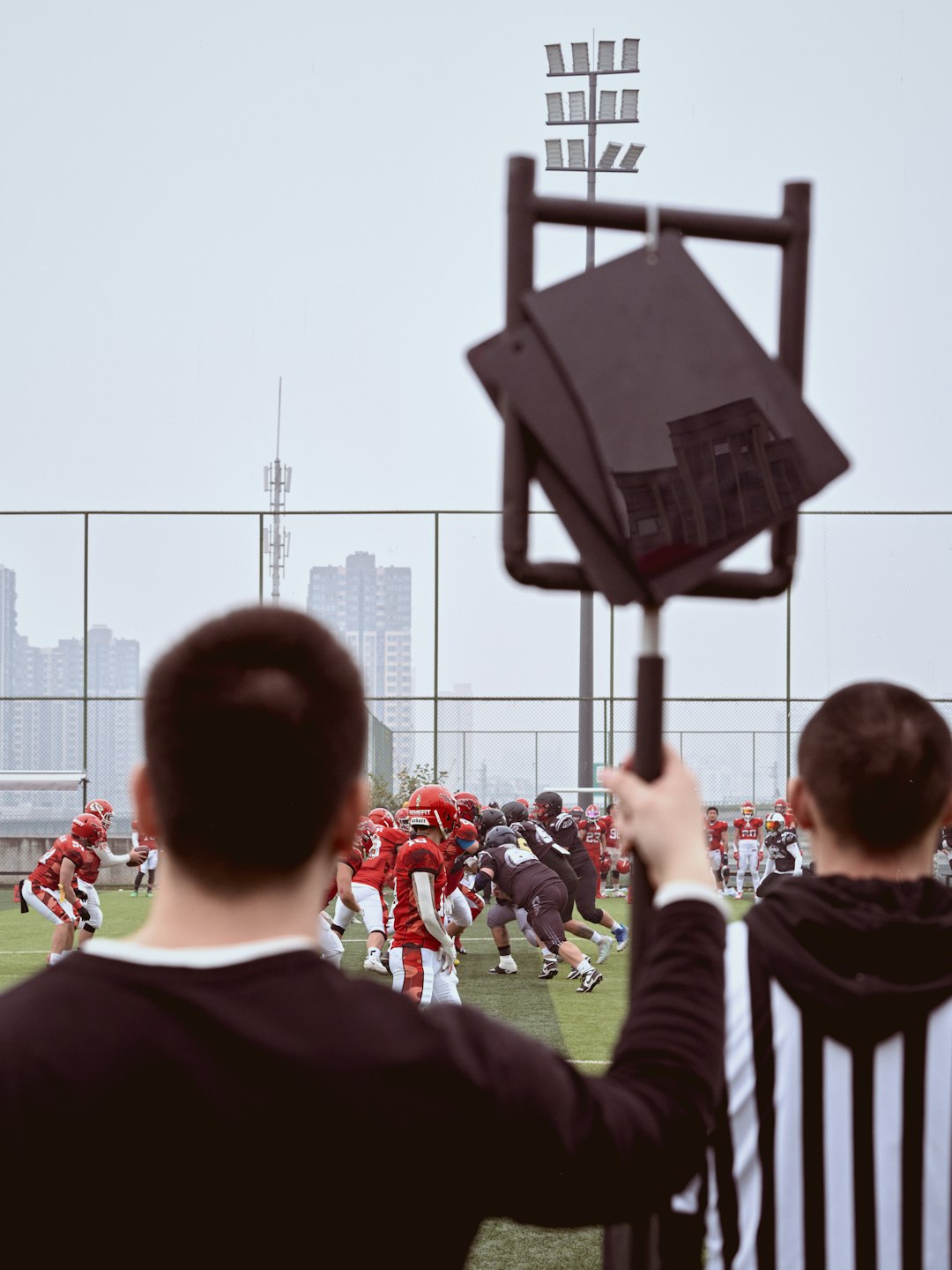
Why Does a 60-Minute Football Game Take Over Three Hours?
This is where football gets a little annoying for new fans. You see “15-minute quarter” and think, great, this should move fast. Then one incomplete pass, one replay review, and three commercials later, four minutes of real time have passed and the game clock has barely moved.
The game clock stops for several reasons:
- Incomplete passes
- Players going out of bounds
- Timeouts
- Scoring plays
- Penalties
- Replay reviews
- Change of possession
- End of the first and third quarters
- The two-minute warning in the NFL
That is why the clock time and the viewer time feel so different. The sport is built around short bursts of action, resets, substitutions, and strategy. Honestly, it feels like TV timeouts always arrive just when the game starts getting good.
Football Quarter Length by Level
Here is the simple breakdown:
| Level | Quarter Length | Total Regulation Time |
|---|---|---|
| NFL | 15 minutes | 60 minutes |
| College Football | 15 minutes | 60 minutes |
| High School Football | 12 minutes | 48 minutes |
| Youth Football | 8 to 10 minutes | 32 to 40 minutes |
The NFL and college games share the same quarter length, but college games can sometimes feel longer because of clock rules, more stoppages, and game flow. High school games are usually quicker, though blowouts, injuries, weather delays, and penalties can still stretch the night.
How Football Compares to Basketball Quarters
Basketball also uses quarters at many levels, but the timing is different.
- NBA: four 12-minute quarters, 48 minutes total
- WNBA: four 10-minute quarters, 40 minutes total
- FIBA basketball: four 10-minute quarters, 40 minutes total
- Men’s college basketball: two 20-minute halves, 40 minutes total
- Women’s college basketball: four 10-minute quarters, 40 minutes total
- High school basketball: usually four 8-minute quarters, 32 minutes total
The NBA has shorter quarters than football, at least on paper. A football quarter is 15 minutes. An NBA quarter is 12 minutes. But basketball has a faster pace and fewer long resets between plays. That makes an NBA game feel more continuous.
Still, basketball games also run much longer than the game clock. A 48-minute NBA game often takes around 2 hours to 2 hours and 20 minutes. Fouls, free throws, replay reviews, timeouts, and end-game strategy can slow things down. The final two minutes can feel like ten. Every basketball fan knows that pain.
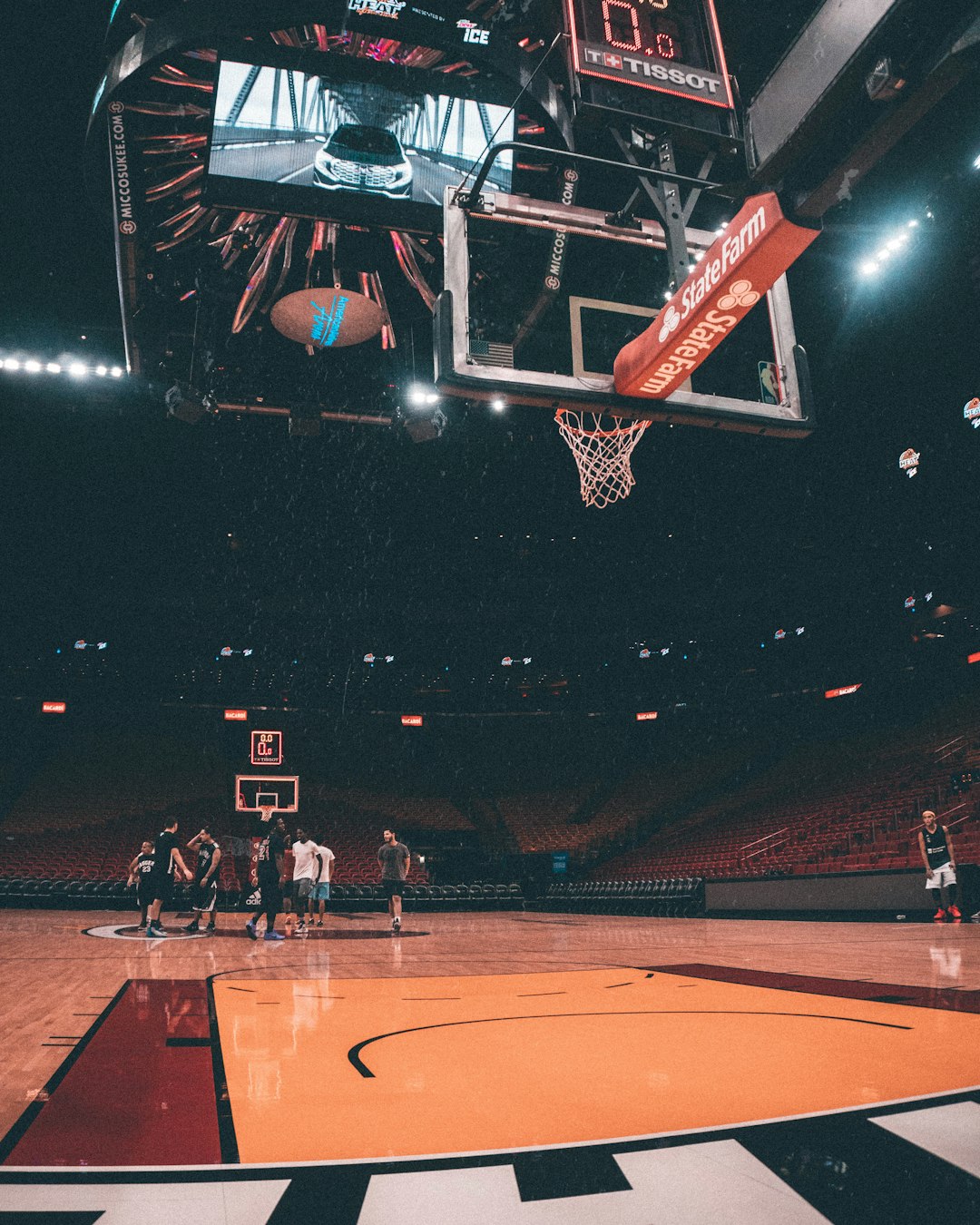
Football vs Basketball: Which Takes Longer?
Football takes longer in real time. That is the simple answer.
An NFL game has 60 minutes of game clock. An NBA game has 48 minutes. But the gap in real time is bigger than that. NFL games often last about 3 hours or more. NBA games usually land closer to 2 to 2.5 hours.
Football also has more dead time between plays. Teams huddle, substitute players, call formations, and reset the line of scrimmage. The play clock gives teams up to 40 seconds between many snaps. Basketball, by contrast, has a 24-second shot clock in the NBA, so possessions move faster.
How Football Periods Compare to Other Sports
Many sports divide games into periods, quarters, halves, innings, or sets. The names change, but the goal is the same: structure the contest and create natural breaks.
- Ice hockey: three 20-minute periods, 60 minutes total
- Soccer: two 45-minute halves, 90 minutes total plus stoppage time
- Rugby union: two 40-minute halves, 80 minutes total
- Lacrosse: often four quarters, length depends on league
- Baseball: nine innings, no game clock
- Tennis: sets and games, no fixed match clock
Hockey is closest to football in total regulation time. Both have 60 minutes on the clock. The difference is that hockey is split into three periods, while football uses four quarters. Soccer has more clock time, but the clock runs almost continuously. That is why a soccer match can often finish in under two hours, even with 90 minutes of play.
Baseball is the odd one. There is no game clock. A game can move quickly or drag late into the night, depending on pitching changes, offense, replays, and extra innings.
What Happens Between Football Quarters?
The breaks between the first and second quarters, and between the third and fourth quarters, are short. Teams switch ends of the field, but possession, down, distance, and field position carry over. If it is second-and-7 at the 40-yard line when the first quarter ends, it stays second-and-7 when the second quarter starts.
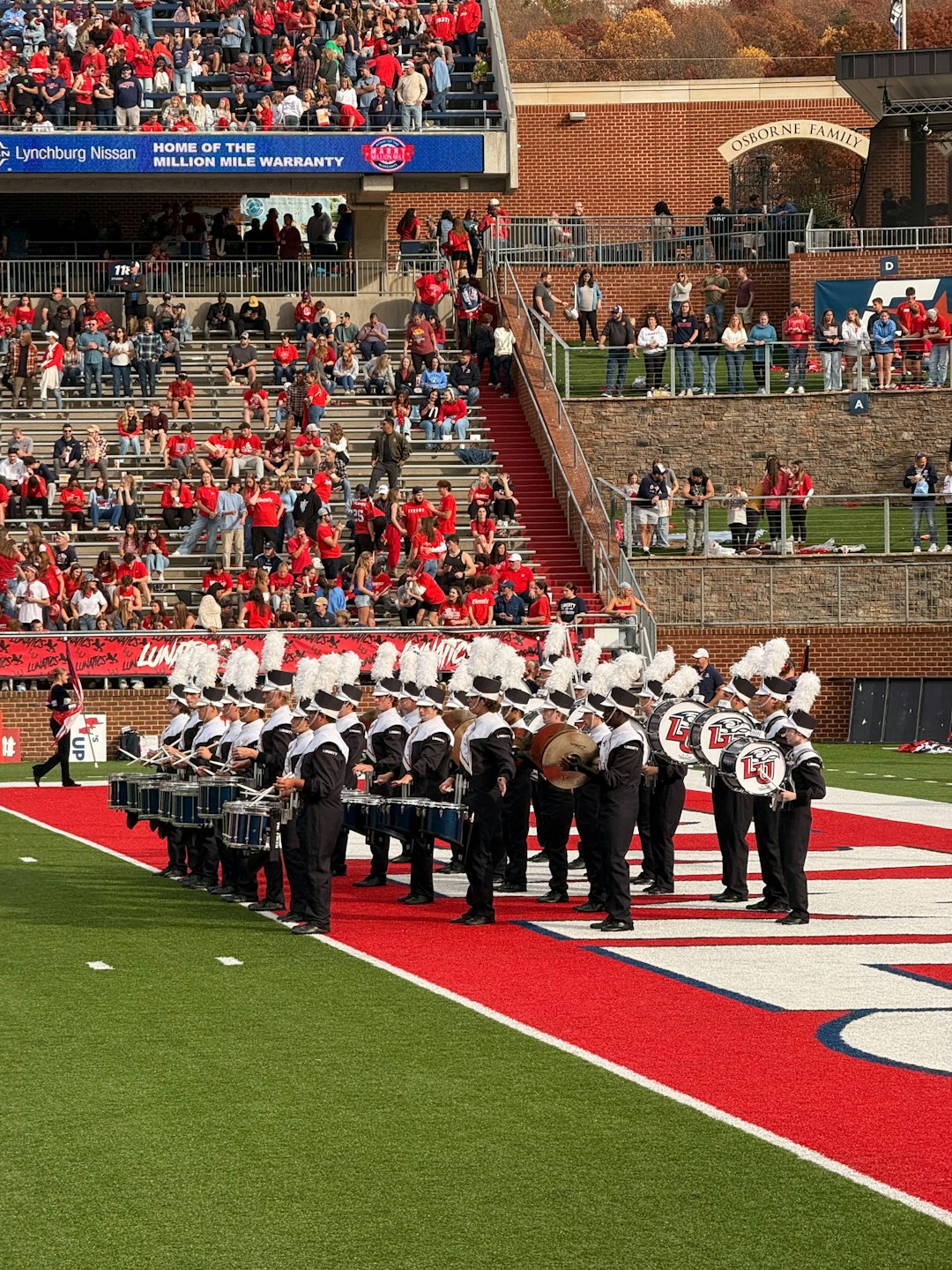
Halftime is longer. In the NFL, halftime is usually around 13 minutes during regular games. In college football, halftime is commonly around 20 minutes, partly because of marching bands and school traditions. The Super Bowl is its own monster, with a much longer halftime show.
Does Overtime Have Quarters?
Overtime rules depend on the level.
In the NFL regular season, overtime is a timed period rather than a full new quarter in the normal sense. In the playoffs, overtime continues as needed until there is a winner. College football uses a possession-based overtime format, starting from a set yard line, rather than adding a standard timed quarter.
High school overtime rules vary by state, but many use a system similar to college football, where each team gets a possession from a specific spot on the field.
Why Quarter Length Matters
Quarter length affects more than the scoreboard. It shapes coaching, conditioning, pacing, and fan experience.
- Coaches manage timeouts and clock strategy by quarter.
- Players pace energy across four sections of the game.
- Fans plan food, travel, fantasy lineups, and bathroom breaks around game flow.
- Broadcasters build commercial slots around stoppages and quarter breaks.
A 15-minute football quarter sounds short. In practice, it carries a lot of weight. One long drive can drain eight minutes. One turnover can flip the mood in five seconds. That mix of clock control and sudden chaos is a huge part of football’s appeal.
The Bottom Line
A football quarter is 15 minutes in the NFL and college football, 12 minutes in most high school games, and often shorter in youth leagues. Compared with basketball, football quarters are longer than NBA quarters and much longer than FIBA or WNBA quarters. But the real difference is not just the clock. Football has more stoppages, more resets, and more built-in pauses, which is why a 60-minute game usually turns into a three-hour event.