
An NFL game usually lasts about 3 hours and 10 minutes in real time, even though the game clock shows only 60 minutes. Most regular-season games land between 2 hours 55 minutes and 3 hours 25 minutes. Playoffs can run longer, especially if overtime, replay reviews, injuries, or heavy passing slow things down.
TLDR: An NFL game is a 60-minute contest that normally takes a little over 3 hours to finish. A fan planning Sunday around a 1:00 p.m. kickoff should expect the game to end around 4:05 p.m. to 4:20 p.m., not at 2:00 p.m. Compared with college football, the NFL is often shorter because college games commonly push past 3 hours and 20 minutes. The biggest time drains are commercials, incomplete passes, replay reviews, penalties, halftime, and clock stoppages.
How Long Is an NFL Game on the Clock?
An NFL game has four quarters of 15 minutes. That makes the official game length 60 minutes. There is also a 12-minute halftime during regular-season games, though major events, such as the Super Bowl, have a much longer halftime show.
The clock does not run nonstop. It stops after incomplete passes, scoring plays, timeouts, some penalties, replay reviews, injuries, changes of possession, and plays that end out of bounds near the end of each half. That is why a one-hour game clock turns into a three-hour broadcast.
How Long Does an NFL Game Last in Real Time?
Most NFL games last about 190 minutes. That means roughly 3 hours and 10 minutes. Some are quicker. A game with a lot of running plays and few penalties can finish in under three hours. A game with many passing attempts, replay checks, and late-game timeouts can drag past 3 hours and 30 minutes.
It drives fans crazy that the final two minutes can sometimes take 15 to 25 real minutes. Coaches use timeouts. Offenses throw near the sidelines. Defenses commit penalties. Replay officials stop play. The clock says little time remains, but the broadcast keeps crawling.
Why NFL Games Take So Long
The main reason is simple: football is built around short bursts of action. A play may last 5 seconds, then teams reset for 30 to 40 seconds. Add TV breaks and stoppages, and the total runtime grows fast.
- Commercial breaks: NFL broadcasts include many scheduled ad breaks, especially after scores, punts, kickoffs, and quarter changes.
- Timeouts: Each team gets three timeouts per half. Late-game timeout use can stretch the ending.
- Replay reviews: Scoring plays and turnovers are automatically reviewed. Coach challenges can add more delays.
- Penalties: Officials must announce fouls, spot the ball, and sometimes hold conferences.
- Passing plays: Incomplete passes stop the clock, which makes pass-heavy games longer.
- Injuries: Medical stoppages can add several minutes, and serious injuries can add much more.
NFL Game Duration vs College Football
College football games usually take longer than NFL games. Many college games last around 3 hours and 20 minutes, and some push close to 4 hours. That gap has annoyed viewers for years.
College football has more teams, wider gaps in roster quality, and often more offensive plays. Some schools run very fast offenses. More first downs, clock stoppages, reviews, and scoring drives can pile up. Even after recent rule changes designed to shorten games, college football still tends to run longer than the NFL.
In the NFL, teams are more evenly matched and the league has tighter broadcast control. The timing system is also more standardized. That does not make NFL games short, but it usually keeps them more predictable.
NFL vs Other Major Sports
NFL games are long, but they are not always the longest major sporting events. The comparison depends on overtime, pace, and broadcast format.
- NFL: About 3 hours 10 minutes for a typical regular-season game.
- College football: Often 3 hours 20 minutes or more.
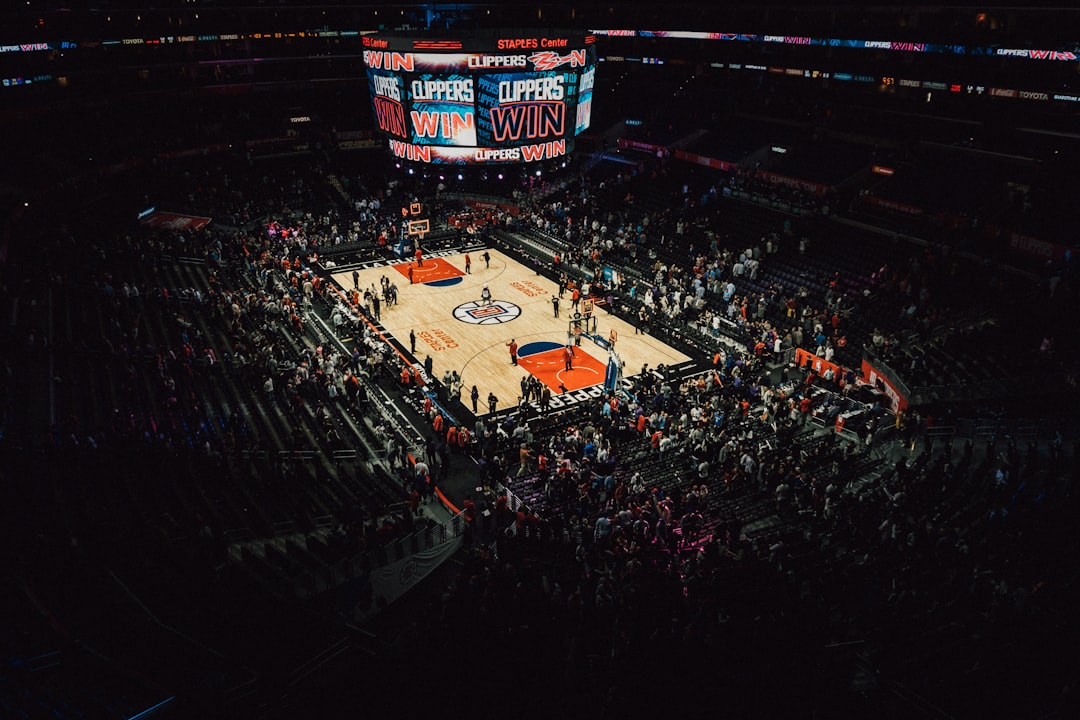
- NBA: Usually about 2 hours 10 minutes to 2 hours 30 minutes.
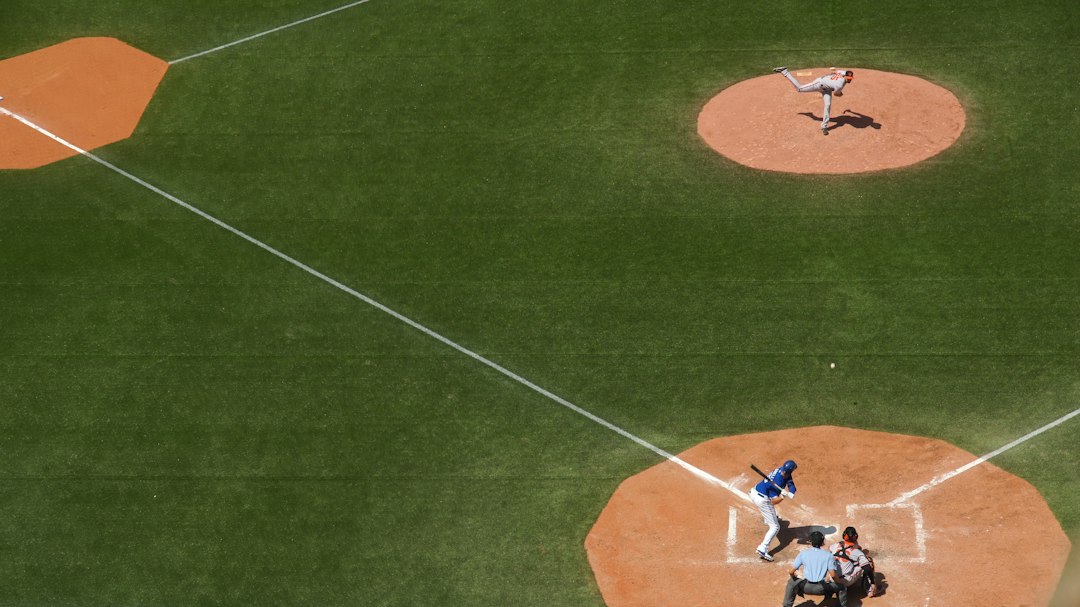
- MLB: Often around 2 hours 35 minutes to 3 hours, helped by the pitch clock.
- NHL: Usually about 2 hours 20 minutes to 2 hours 45 minutes.
- Soccer: Commonly about 1 hour 50 minutes to 2 hours, including halftime and stoppage time.
Soccer is the most predictable. The clock keeps moving, and stoppage time is limited. Basketball has many stoppages, but the game format is shorter. Baseball used to be more unpredictable, but the pitch clock cut dead time. Football remains one of the biggest time commitments because of TV windows, clock rules, reviews, and stoppages between plays.
How Long Is NFL Halftime?
Regular-season NFL halftime lasts 12 minutes. That is shorter than many fans think. The broadcast may make it feel longer because of commercials, studio analysis, and highlights from other games.
The Super Bowl halftime is a different story. It can last around 25 to 30 minutes because of the stage setup, performance, and sponsor segments. That helps push the total Super Bowl broadcast closer to 4 hours, even before postgame coverage.
What About Overtime?
Overtime can add major time. During the regular season, NFL overtime is 10 minutes. In the playoffs, overtime periods are 15 minutes, and the game cannot end in a tie.
A regular-season overtime game may add 10 to 20 real minutes. A playoff overtime game can add much more. If both offenses get the ball, drives take time. If the game continues into another overtime period, the broadcast can become a full evening event.
Do Prime-Time NFL Games Last Longer?
Prime-time games can feel longer, but they are not always much longer by the clock. Sunday Night Football, Monday Night Football, and Thursday Night Football still follow the same game rules. The difference is the viewing experience.
Pre-game shows are longer. Halftime coverage may feel heavier. The broadcast may add more story packages. A game that starts at 8:20 p.m. Eastern often ends around 11:25 p.m. to 11:45 p.m.. For East Coast viewers, that is a late night, especially when the final drive refuses to end.
Fastest and Slowest Types of NFL Games
The shortest NFL games usually share a few traits. Both teams run the ball. There are few penalties. Neither team spends much time reviewing plays. The score stays controlled, so there are fewer desperate late-game stoppages.
The longest games look different. Teams throw 40 or 50 passes. Defenses commit penalties. Coaches challenge close calls. The score stays tight late. Add a two-minute drill and overtime, and the game can stretch far past its expected window.
Planning Around an NFL Game
For most fans, the safest plan is to block out 3.5 hours. That covers normal delays without ruining the rest of the day. A 1:00 p.m. kickoff will usually end before 4:30 p.m. A 4:25 p.m. game often ends around 7:35 p.m. or a little later.
Anyone attending in person should plan for more. Parking, security, concessions, restroom lines, and leaving the stadium can turn a three-hour game into a five-hour outing. Honestly, it feels like leaving the parking lot can take longer than a full fourth-quarter drive.
FAQ
How long does an NFL game last on TV?
An NFL game on TV usually lasts about 3 hours and 10 minutes. Some games finish under three hours, while others run closer to 3 hours and 30 minutes.
Why is an NFL game 60 minutes but takes 3 hours?
The game clock stops often. Commercial breaks, timeouts, penalties, replay reviews, injuries, incomplete passes, and halftime all add real time.
Are college football games longer than NFL games?
Yes. College football games often last around 3 hours and 20 minutes or more. NFL games are usually a bit shorter and more predictable.
How long is halftime in the NFL?
Regular NFL halftime is 12 minutes. The Super Bowl halftime show is much longer, often around 25 to 30 minutes.
How long does an NFL game last with overtime?
A regular-season overtime game can last around 3 hours and 30 minutes or more. Playoff overtime games can run even longer because they cannot end in a tie.
Which sport has the shortest game time?
Among major team sports, soccer is often the most predictable and shortest in real time. Many matches finish in about 2 hours, including halftime and stoppage time.