

Business analysis has always depended on understanding how work actually gets done: which steps happen, who performs them, where delays occur, and which decisions shape the final outcome. Traditionally, this required interviews, workshops, sticky notes, process diagrams, spreadsheets, and many rounds of validation. AI process mapping changes that by using artificial intelligence to discover, visualize, analyze, and improve business processes faster and with far less manual effort.
TLDR: AI process mapping automates much of business analysis by turning operational data into clear process maps, identifying bottlenecks, and recommending improvements. For example, a finance team processing 10,000 invoices per month could use AI to detect that 28% of delays come from manual approval loops and then redesign the workflow accordingly. Instead of spending weeks documenting the process, analysts can review AI generated maps in days. The result is faster decision making, better accuracy, and more measurable process improvement.
What Is AI Process Mapping?
AI process mapping is the use of artificial intelligence, machine learning, process mining, and natural language processing to create visual representations of business workflows. These maps show how tasks move from start to finish, including handoffs, approvals, exceptions, delays, systems used, and outcomes.
Unlike traditional process mapping, which often relies on what people say happens, AI process mapping can analyze what actually happens by pulling data from systems such as CRM platforms, ERP software, help desk tools, accounting systems, email logs, and workflow applications. This gives businesses a more objective view of operations.

For business analysts, this is powerful. Instead of starting from a blank page, they can begin with an AI generated model of the current process, then validate it with stakeholders. This shifts the analyst’s role from manual documentation to higher value interpretation, problem solving, and strategy.
How AI Automates Business Analysis
Business analysis involves gathering requirements, identifying inefficiencies, documenting current workflows, defining future states, and helping teams make better decisions. AI process mapping supports each of these activities by automating repetitive discovery and analysis tasks.
- Process discovery: AI identifies real workflows from system data instead of relying only on interviews.
- Bottleneck detection: It highlights where work slows down, gets repeated, or requires unnecessary approvals.
- Variation analysis: AI shows how the same process differs across teams, locations, or customer segments.
- Compliance checking: It compares actual behavior against required policies, rules, or standard operating procedures.
- Recommendation generation: AI can suggest automation opportunities, role changes, or simplified process paths.
This does not eliminate the need for business analysts. Instead, it gives them better tools. Analysts still need to ask smart questions, understand business goals, manage stakeholders, and judge whether recommendations are practical. However, AI reduces the time spent chasing basic process details.
From Manual Workshops to Data Driven Discovery
In a conventional business analysis project, analysts may spend several weeks facilitating workshops and documenting process steps. While useful, these sessions can be limited by memory, bias, and local perspective. Employees may describe the official process, not the workaround they use when deadlines are tight.
AI process mapping improves this by analyzing event logs and transaction data. For instance, in an order fulfillment process, AI can track when an order is received, checked, approved, packed, shipped, invoiced, and closed. It can also detect exceptions, such as orders that require rework or sit idle for several days.
The difference is important: traditional mapping often captures the intended workflow, while AI mapping captures the lived workflow. This allows business analysts to compare the two and identify gaps between policy and reality.
Key Benefits for Business Analysts
The main value of AI process mapping is not simply speed. It also improves the quality and usefulness of business analysis. By combining data, visualization, and intelligent recommendations, it helps analysts move from documentation to diagnosis.
- Faster current state analysis: AI can generate draft process maps in hours or days, depending on data availability.
- Improved accuracy: Data based process maps reduce reliance on assumptions and incomplete stakeholder memories.
- Better prioritization: Analysts can focus on issues with measurable impact, such as delays, cost increases, or high error rates.
- Continuous monitoring: Processes can be tracked over time rather than reviewed only during occasional improvement projects.
- Stronger business cases: AI generated analytics make it easier to justify automation investments with evidence.
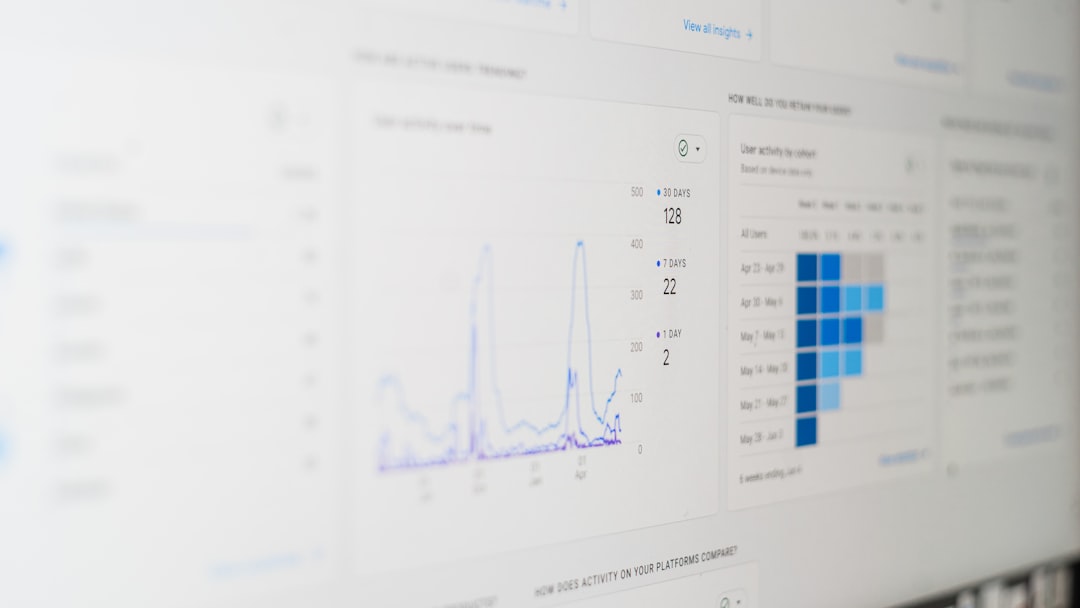
For example, an insurance company may discover that claims under a certain value are still being routed through the same approval process as high risk claims. AI process mapping might reveal that this adds an average of 2.4 days to low risk claims. A business analyst can then propose a rule based fast track, supported by real performance data.
Automating Requirements Gathering
Requirements gathering is one of the most time consuming parts of business analysis. AI process mapping can help by identifying where systems, users, rules, and outcomes interact. When a process map shows repeated manual data entry between two platforms, it suggests a possible integration requirement. When it shows frequent rework after a specific decision point, it may indicate unclear rules or missing validation.
Natural language processing can also analyze meeting notes, support tickets, customer feedback, and internal documentation to extract recurring needs or pain points. Combined with process maps, this helps analysts build more complete requirements.
For example, if customer support tickets repeatedly mention “approval delay” and the process map shows that approvals wait an average of 36 hours, the analyst has both qualitative and quantitative evidence. This makes the requirement more specific: reduce approval waiting time through automated routing, reminders, or decision rules.
Finding Automation Opportunities
One of the most practical uses of AI process mapping is identifying where automation will have the greatest return. Not every task should be automated. Some tasks require judgment, empathy, negotiation, or creative thinking. AI helps separate repetitive, rule based work from work that genuinely needs human expertise.
Good automation candidates often include:
- Data entry between systems
- Document classification and routing
- Standard approvals based on predefined rules
- Status updates and notifications
- Duplicate checks and basic validation
- Report generation and reconciliation
By showing frequency, duration, error rates, and cost impact, AI process mapping helps analysts decide which improvements matter most. A task that takes only three minutes might seem minor, but if it happens 50,000 times per year, automation could save thousands of hours.
Supporting Future State Design
Business analysis is not only about understanding the current state. It is also about designing a better future state. AI process mapping can simulate new workflows and estimate the likely effects of changes before they are implemented.
For instance, an analyst can compare scenarios such as removing an approval step, adding automated validation, or rerouting work to a specialized team. AI can estimate how these changes might affect cycle time, workload, compliance risk, or customer experience.

This turns process redesign into a more evidence based activity. Stakeholders can see likely tradeoffs and make informed decisions rather than relying only on opinion.
Challenges and Considerations
AI process mapping depends on good data. If systems do not capture useful timestamps, status changes, ownership details, or outcomes, the resulting maps may be incomplete. Businesses may need to improve data quality before expecting reliable insights.
Privacy and governance also matter. Process data may include employee activity, customer information, or sensitive business transactions. Organizations should define clear rules for data access, anonymization, security, and ethical use.
Another challenge is overtrusting the tool. AI can identify patterns, but it does not always understand business context. A delay that looks inefficient may exist for regulatory reasons. A manual review that appears redundant may prevent costly errors. Human judgment remains essential.
The Evolving Role of the Business Analyst
AI process mapping does not make business analysts obsolete. It makes them more strategic. As routine documentation becomes automated, analysts can spend more time on stakeholder alignment, value analysis, change management, and solution design.
The analyst of the future will likely need a blend of skills: process thinking, data literacy, communication, systems knowledge, and the ability to challenge AI generated insights. Those who can interpret process intelligence and translate it into practical action will become even more valuable.
Conclusion
AI process mapping can automate business analysis by accelerating discovery, improving accuracy, and revealing opportunities that are difficult to see manually. It helps organizations understand not just how processes are supposed to work, but how they actually work in daily operations.
Used well, it gives business analysts a stronger foundation for decisions, requirements, and transformation initiatives. The real benefit is not replacing people with automation; it is giving skilled analysts the evidence and time they need to solve better business problems.