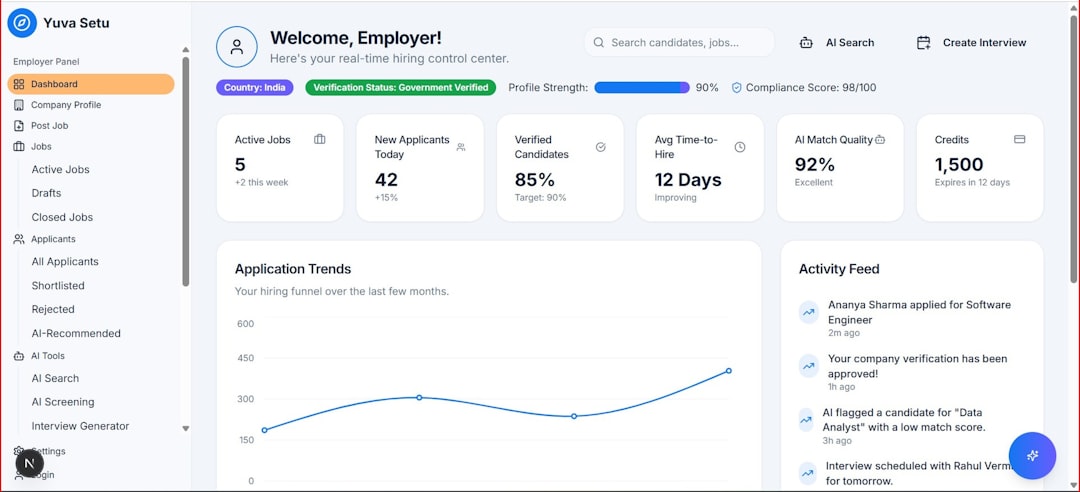

Modern advertising is no longer just a contest of who can write the catchiest headline or buy the most impressions. The most effective campaigns today are often found through AI ad optimization: a process where machine learning systems test, measure, and adjust ads faster than human teams could do manually. By analyzing patterns across audiences, placements, creative assets, bids, and timing, AI helps marketers discover which campaigns are most likely to convert.
TLDR: AI ad optimization improves campaign performance by continuously testing ads, learning from results, and reallocating budget toward what works best. For example, an ecommerce brand running 20 ad variations might find that one video ad targeting returning visitors produces a 34% lower cost per purchase than the original campaign. Instead of waiting weeks for a manual report, AI can detect the trend within hours and shift spend automatically. The result is faster learning, less wasted budget, and more reliable growth.
What AI Ad Optimization Actually Does
At its core, AI ad optimization is about making better decisions from large amounts of data. Every ad campaign creates signals: who clicked, who ignored the ad, who watched a video, who added a product to cart, who purchased, and how much each action cost. A human strategist can review these numbers, but AI can evaluate thousands or even millions of combinations at once.
Instead of asking, “Which ad performed best last week?” AI asks more specific questions, such as:
- Which audience segment is most likely to convert today?
- Which headline works better for mobile users in the evening?
- Which creative format leads to cheaper qualified leads?
- When should budget move from a weak ad set to a stronger one?
- Which users are likely to buy after seeing a second or third ad?
This makes optimization more dynamic. Campaigns are not treated as fixed assets; they become living systems that adapt as new data arrives.

How AI Finds Better-Performing Campaigns
AI ad optimization usually works through a combination of data collection, prediction, experimentation, and automated adjustment. These steps happen in loops, meaning the system keeps learning as campaigns run.
1. It Collects Performance Signals
Every impression, click, view, and conversion becomes part of the learning process. AI systems look beyond surface-level metrics and connect actions to outcomes. For instance, a campaign with a high click-through rate may look successful, but if those clicks do not lead to sales, the system may reduce its priority.
This is important because not all engagement is valuable. AI can distinguish between casual attention and meaningful intent. A user who watches 90% of a product demo, visits the pricing page, and returns two days later is very different from someone who clicks accidentally and leaves immediately.
2. It Predicts Which Users Are Most Likely to Convert
Machine learning models are especially useful for predictive targeting. They compare new users with previous converters and identify shared traits or behaviors. These may include device type, browsing patterns, location, time of activity, content interests, or previous interactions with a brand.
For example, a subscription fitness app might learn that users who engage with meal-planning content and browse on Sunday evenings are 22% more likely to start a free trial. AI can then prioritize similar users and reduce spend on audiences that are less likely to act.
3. It Tests Creative Variations Faster
Creative testing is one of the most powerful uses of AI in advertising. A campaign may include multiple headlines, images, videos, calls to action, and descriptions. AI can test these combinations automatically and detect which versions perform best for different groups.
A human team might run an A/B test comparing two headlines. AI can run a much broader test: five headlines, four images, three calls to action, and two landing page variations. That creates 120 possible combinations, and the system can quickly narrow focus to the strongest performers.
The winning creative is not always the prettiest or most polished one. Sometimes a simple product image, a direct offer, or a customer testimonial outperforms a highly produced brand video. AI helps reveal what real audiences respond to, not just what marketers assume they will like.
Budget Allocation: Spending More Where It Matters
One of the biggest advantages of AI ad optimization is smarter budget distribution. Traditional campaign management often relies on scheduled reviews: a marketer checks performance daily or weekly, then manually adjusts budgets. AI can make these decisions continuously.
If one ad set is producing leads at $12 each while another is producing similar-quality leads at $31, AI can gradually move budget toward the cheaper source. If performance changes later, the system can adjust again. This prevents campaigns from wasting money on outdated assumptions.
However, good AI optimization is not only about chasing the lowest cost. It also considers quality. A campaign generating cheap leads may still be poor if those leads never become customers. More advanced optimization connects ad performance to deeper business metrics, such as:
- Customer lifetime value
- Average order value
- Lead qualification rate
- Repeat purchase behavior
- Return on ad spend
This helps AI favor campaigns that produce profitable outcomes, not just inexpensive clicks.
A Simple User Case Scenario
Imagine a small online skincare brand with a monthly ad budget of $15,000. The company runs campaigns across search, social, and display ads. At first, the team uses broad targeting and three main creative concepts: ingredient-focused ads, before-and-after visuals, and customer review videos.
After two weeks, the AI optimization system identifies several patterns. Customer review videos generate the highest purchase rate among women aged 28 to 44. Ingredient-focused ads perform better on search, especially for users looking for “sensitive skin moisturizer.” Display ads deliver many impressions but few conversions.
The system reallocates 40% of the display budget toward social video ads and high-intent search terms. It also reduces spending on underperforming audiences and increases bids for users who previously visited product pages. By the end of the month, the brand sees a 27% increase in purchases, a 19% reduction in cost per acquisition, and a 14% lift in return on ad spend.
This does not mean AI “magically” creates success. The brand still needs strong products, clear messaging, and accurate tracking. But AI helps the team learn faster and act sooner.
Why AI Often Outperforms Manual Optimization
Manual optimization depends on human judgment, and human judgment is valuable. Marketers understand positioning, customer psychology, brand voice, and business goals. But humans also have limits. They may overlook small patterns, react too slowly, or become attached to creative ideas that are not performing.
AI is useful because it is tireless and data-driven. It can monitor performance at midnight, compare audience behavior across devices, and notice shifts that would be easy to miss. If weekend shoppers respond differently from weekday researchers, AI can adapt bids and creative delivery accordingly.
Another strength is real-time responsiveness. Campaign conditions change constantly. A competitor launches a sale, seasonality affects demand, a creative asset becomes fatigued, or an audience saturates. AI optimization can detect declining performance and redirect spend before too much budget is lost.
Common Mistakes to Avoid
AI is powerful, but it is not a substitute for strategy. Poor inputs can still produce poor outputs. If tracking is broken, conversion data is incomplete, or campaign goals are unclear, the system may optimize toward the wrong result.
Marketers should avoid these common mistakes:
- Optimizing for vanity metrics: Clicks and impressions matter, but they should not replace revenue, qualified leads, or retention.
- Changing campaigns too quickly: AI needs enough data to learn. Constant manual interference can interrupt the learning process.
- Using weak creative: Optimization can find the best option available, but it cannot turn poor messaging into a great offer.
- Ignoring audience context: Different people respond to different messages. Broad averages can hide valuable segments.
- Failing to review results: Automation still needs human oversight to ensure campaigns align with brand and business goals.
The Future of AI-Powered Campaign Discovery
AI ad optimization is moving beyond simple bid adjustments and audience targeting. Newer systems are becoming better at generating creative suggestions, predicting customer journeys, and linking ad exposure to long-term value. Instead of optimizing only for the next click, AI will increasingly optimize for the full relationship between customer and brand.
This future will likely be more collaborative than fully automated. The best results will come from combining human creativity with machine intelligence. Marketers will define the message, the offer, and the customer experience, while AI identifies the fastest path to better performance.
In a crowded digital environment, the advantage belongs to advertisers who can learn quickly. AI ad optimization finds better-performing campaigns by testing more possibilities, detecting patterns earlier, and moving resources toward proven opportunities. For brands that use it thoughtfully, AI is not just a tool for efficiency; it is a smarter way to understand what customers actually want.