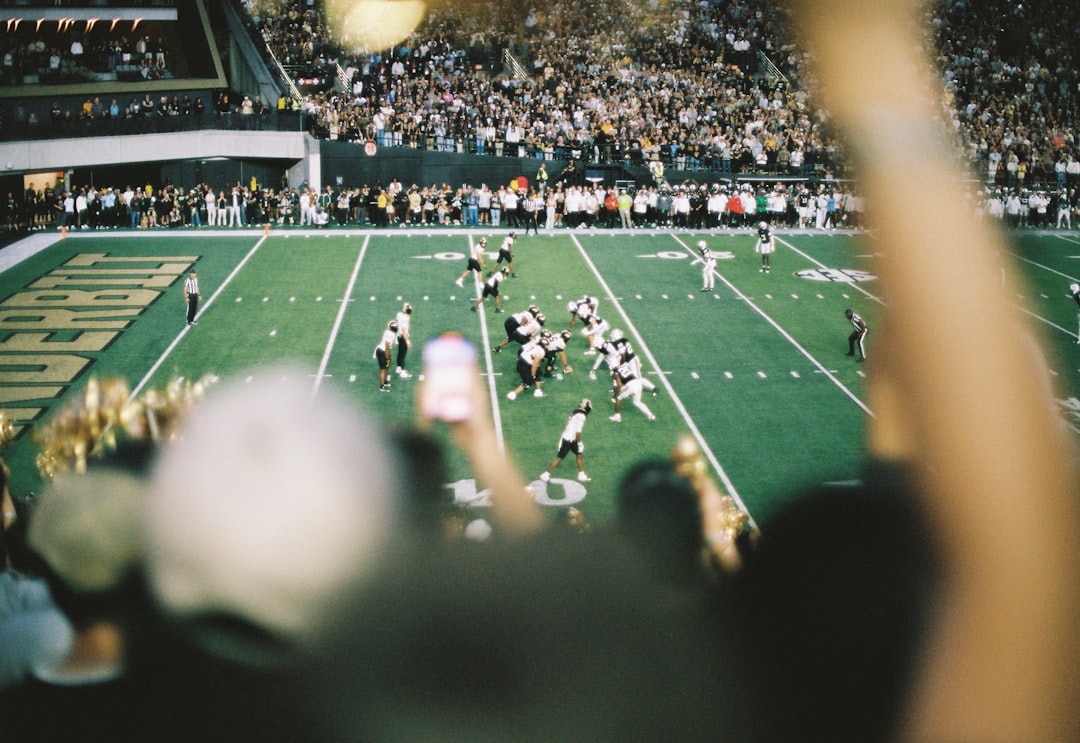

The NFL clash between the Houston Texans and the Pittsburgh Steelers was more than just a battle of two franchises—it was a showcase of tactical execution, individual brilliance, and momentum-shifting plays. With both teams focusing on building momentum for their respective playoff aspirations, fans witnessed a well-contested matchup packed with standout individual performances.
TL;DR Summary
The Houston Texans emerged victorious in a critical showdown against the Pittsburgh Steelers thanks to an efficient offensive line, accurate quarterback play, and a resilient defense. Rookie QB C.J. Stroud played exceptionally well, completing over 70% of his passes while the Texans’ defense kept the Steelers offense off balance. Pittsburgh’s offense struggled to gain consistency, primarily due to pressure and ineffective third-down conversions. The game was a significant step forward for Houston and potentially a wake-up call for Pittsburgh’s offensive unit.
Quarterback Performance
C.J. Stroud (Houston Texans)
- Completions/Attempts: 23/30
- Passing Yards: 306
- Touchdowns: 2
- Interceptions: 0
- Passer Rating: 118.1
Stroud displayed remarkable poise in the pocket and excellent decision-making. A key highlight was his 34-yard touchdown pass that dissected the Steelers’ secondary in the second quarter. His ability to extend plays and deliver strikes under pressure illustrates why he’s seen as a franchise quarterback in the making.
Kenny Pickett (Pittsburgh Steelers)
- Completions/Attempts: 15/27
- Passing Yards: 124
- Touchdowns: 0
- Interceptions: 1
- Passer Rating: 47.1
Pickett had a difficult outing against the Texans’ aggressive front seven. He was sacked three times and suffered significant pressure throughout the game, which limited his ability to find rhythm. A third-quarter interception swung momentum further in Houston’s favor and raised questions about Pittsburgh’s offensive coordination.
Running Backs
Dameon Pierce (Houston Texans)
- Rushing Attempts: 24
- Rushing Yards: 89
- Average Yards Per Carry: 3.7
- Touchdowns: 1
Pierce ground out tough yards against a rugged Steelers front. While the average per carry was modest, his physicality helped Houston dominate time of possession. His red zone presence and ability to pick up key first downs were integral to maintaining offensive momentum.
Najem Harris (Pittsburgh Steelers)
- Rushing Attempts: 14
- Rushing Yards: 55
- Average Yards Per Carry: 3.9
- Touchdowns: 0
Harris started strong but faded as the game progressed, partly due to the Steelers trailing and shifting to a pass-heavy offense. The Texans’ defense contained him effectively in the second half, limiting his impact.
Wide Receivers and Tight Ends
Nico Collins (Houston Texans)
- Receptions: 7
- Receiving Yards: 168
- Touchdowns: 2
Nico Collins was the standout receiver of the game. Displaying sharp route-running and elite separation speed, Collins consistently beat Pittsburgh’s defensive backs. His two touchdowns were a direct result of Stroud’s chemistry and Collins’ ability to create plays after the catch.
Pat Freiermuth (Pittsburgh Steelers)
- Receptions: 3
- Receiving Yards: 29
- Touchdowns: 0
Freiermuth was a safety valve for Pickett but saw limited involvement due to the Texans’ zone coverage schemes. Most of his receptions came on short routes, as Houston effectively prevented any deep or intermediate connections.

Defensive Impact
Will Anderson Jr. (Houston Texans)
- Total Tackles: 5
- Sacks: 2
- QB Hurries: 4
The rookie defensive end had a breakout performance. Anderson consistently disrupted the Steelers offensive line, recording two sacks and several important pressures. His ability to contain the edge also limited Najee Harris’ outside runs.
T.J. Watt (Pittsburgh Steelers)
- Total Tackles: 4
- Sacks: 1
- Tackles for Loss: 2
Watt did record a sack, but he was largely kept in check by the Texans’ offensive tackles. He faced frequent double teams and was less disruptive than usual, highlighting a solid game plan by Houston’s coaching staff.
Special Teams
Ka’imi Fairbairn (Houston Texans)
- Field Goals: 3/3
- Longest Field Goal: 41 yards
Fairbairn was reliable and made crucial kicks that kept the Texans’ lead intact, particularly in the third quarter when the Steelers looked to shift the momentum.
Chris Boswell (Pittsburgh Steelers)
- Field Goals: 1/2
- Longest Field Goal: 32 yards
Boswell’s missed second-quarter field goal proved costly. It left valuable points off the board and deflated momentum during a rare productive Steelers drive.
Key Team Stats
- Time of Possession: Texans – 34:22 | Steelers – 25:38
- Total Yards: Texans – 386 | Steelers – 252
- Third Down Efficiency: Texans – 7/13 | Steelers – 3/11
- Turnovers: Texans – 0 | Steelers – 1
These overarching stats showcase why the Texans controlled the game’s flow. Better third-down conversions and longer possessions allowed them to set the tempo and keep the Steelers defense on its heels.
Coaching Assessment
DeMeco Ryans continues to impress as head coach of the Houston Texans. His defensive background showed in how Houston neutralized Pittsburgh’s limited offensive weapons. On the other side, Mike Tomlin will need to reconsider his offensive strategy, particularly in terms of play-calling and protection schemes to maximize Kenny Pickett’s potential without overexposing him to hits.
Final Thoughts
This matchup served as a litmus test for both teams. The Texans demonstrated promise and resilience, underscored by disciplined execution and fundamental ball control. Pittsburgh, meanwhile, faces growing concern regarding their offensive schemes and cohesion. Although it’s mid-season, performances like this could carry long-term implications in both divisions.
Player of the Game
Nico Collins. With 168 receiving yards and two touchdowns, Collins was simply unguardable. His performance not only helped cement the Texans’ victory but also signaled his emerging role as a top-tier wide receiver in the league.