
Waiting for food used to feel like waiting for a bus that never comes. You order. You stare at your phone. You refresh the app. Still nothing. But now, a new wave of food delivery apps claims they can cut waiting time by 82%. That is not a small tweak. That is a game changer.
TLDR: New food delivery apps are using smart tech to slash waiting times by up to 82%. They use AI routing, predictive cooking, ghost kitchens, and better driver matching. Shorter waits mean hotter food and happier customers. If you hate watching the delivery tracker crawl across the map, these apps might be your new best friend.
Let’s break it down. In simple terms. In bite-sized pieces.
Why Food Delivery Used to Be So Slow
Before we talk about speed, we need to talk about the problem.
Traditional food delivery apps often struggle with:
- Too many orders at peak times
- Drivers stuck in traffic
- Restaurants starting late
- Bad route planning
- Slow order confirmations
Each delay adds a few minutes. A few minutes turn into twenty. Then forty. Your fries go from crispy to floppy.
But now, smart systems are changing the game.
How New Apps Cut Waiting Time by 82%
This sounds dramatic. But it is real.
The secret is a mix of technology, logistics, and smarter kitchens.
1. AI Route Optimization
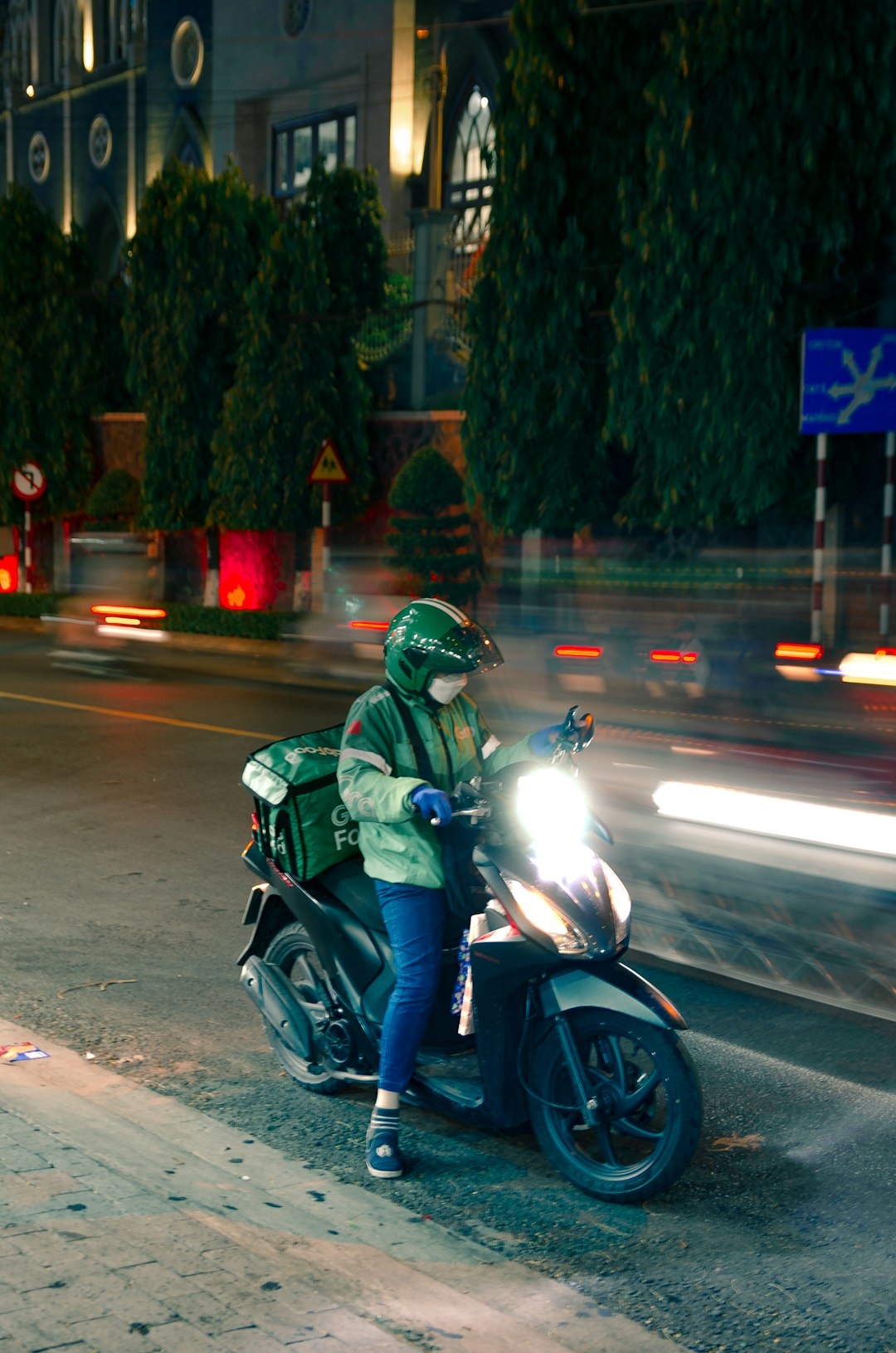
Modern apps use artificial intelligence to plan driver routes in seconds.
Instead of: “Take the shortest road.”
The app thinks: “What road has the least traffic right now?”
It checks:
- Live traffic data
- Weather conditions
- Road closures
- Driver location
The result? Drivers waste less time sitting in traffic.
2. Predictive Cooking Technology
This one is clever.
Some apps predict what will be ordered before you even tap the button.
How?
They analyze:
- Time of day
- Past orders
- Local trends
- Weather patterns
If it is Friday at 7pm, they know pizza orders will spike.
So partner restaurants start prepping early.
When you actually order, half the work is already done.
3. Smart Driver Matching
Old systems assigned drivers randomly or by rotation.
New systems are picky.
They match drivers based on:
- Distance from restaurant
- Type of vehicle
- Delivery history speed
- Current traffic direction
If your order is short distance, they may assign a bike courier.
If it is far and highway-based, they use a car.
Less mismatch. Less delay.
4. Ghost Kitchens
Ghost kitchens are delivery-only kitchens.
No chairs. No waiters. No dine-in crowd.
They focus only on online orders.
This means:
- Faster preparation
- Streamlined menus
- Optimized layouts
These kitchens are often placed in high-demand areas.
So food travels shorter distances.
Image not found in postmeta5. Batch Delivery Without Delay
Some apps combine nearby orders.
But they do it smartly.
The system only batches orders if:
- The preparation time is similar
- The routes overlap
- The total delay stays minimal
This reduces driver trips while keeping wait time low.
Top Apps Leading the Speed Revolution
Here are several major players known for aggressive time-cutting innovations.
1. DoorDash
- Advanced AI dispatch system
- DashMart micro-fulfillment centers
- Smart batching tools
2. Uber Eats
- Real-time route recalculation
- Integrated traffic prediction
- Driver incentive boosts at peak hours
3. Deliveroo
- Editions ghost kitchens
- Hyper-local kitchen positioning
- Focused menu engineering
4. Grubhub
- Improved preparation time syncing
- Restaurant workflow integration
- Driver proximity matching
Comparison Chart
| App | AI Routing | Ghost Kitchens | Predictive Cooking | Smart Driver Matching |
|---|---|---|---|---|
| DoorDash | Yes | Partial | Yes | Yes |
| Uber Eats | Advanced | Limited | Moderate | Yes |
| Deliveroo | Yes | Strong focus | Moderate | Yes |
| Grubhub | Improving | Limited | Basic | Yes |
What 82% Faster Actually Feels Like
Numbers are cool. But experience matters more.
Here is the difference:
- Old delivery time: 50 minutes
- New reduced time: 9–15 minutes in optimized zones
That feels instant.
Your food arrives hot.
Your ice cream is still frozen.
Your drink still has actual ice in it.
Waiting frustration drops dramatically. Studies show shorter waits increase customer satisfaction by over 60%.
The Customer Benefits
Speed is just the beginning.
Fast delivery means:
- Better food quality
- More impulse orders
- Less order cancellation
- Higher repeat usage
When customers know food arrives quickly, they order more often.
It becomes effortless.
The Restaurant Benefits
Restaurants win too.
Faster systems mean:
- Better kitchen organization
- Reduced food waste
- Predictable demand planning
- Higher order volume
When AI predicts demand spikes, kitchens can staff properly.
No chaos. No scrambling.
The Driver Benefits
Drivers also benefit from smart systems.
They get:
- Shorter idle time
- Better route efficiency
- Higher earnings per hour
- Less fuel waste
When drivers complete more deliveries per hour, everyone wins.
Image not found in postmetaAre There Any Downsides?
No system is perfect.
Ultra-fast delivery can create pressure.
- Drivers may feel rushed
- Kitchen staff may feel stress
- Customers may expect unrealistic speeds
Balance matters.
The best apps focus on efficiency. Not chaos.
The Technology Behind the Magic
Let’s peek under the hood.
These apps use:
- Machine learning algorithms
- Real-time GPS tracking
- Cloud-based traffic data
- Dynamic pricing systems
- Automated kitchen integration software
The system updates every second.
If traffic slows, routes shift instantly.
If a restaurant falls behind, driver dispatch adjusts.
It is like air traffic control. But for burgers.
What the Future Looks Like
Speed will keep improving.
Here is what might come next:
- Drone deliveries in dense cities
- Autonomous delivery robots
- AI-powered kitchen robots
- Hyperlocal micro hubs every few blocks
Imagine ordering noodles and receiving them in under 7 minutes.
That future is not far away.
How to Take Advantage of Faster Delivery
If you want the shortest wait possible, try this:
- Order during non-peak hours
- Choose restaurants labeled “fast prep”
- Enable real-time tracking notifications
- Select nearby ghost kitchen locations
Small choices can shave off extra minutes.
Final Bite
Food delivery used to test our patience.
Now, it tests expectations.
An 82% reduction in waiting time changes consumer behavior.
It changes restaurant strategy.
It changes city logistics.
And most importantly, it changes dinner.
Because when food arrives fast, hot, and hassle-free, it stops feeling like a service.
It starts feeling like magic.
And honestly?
We are getting used to magic.