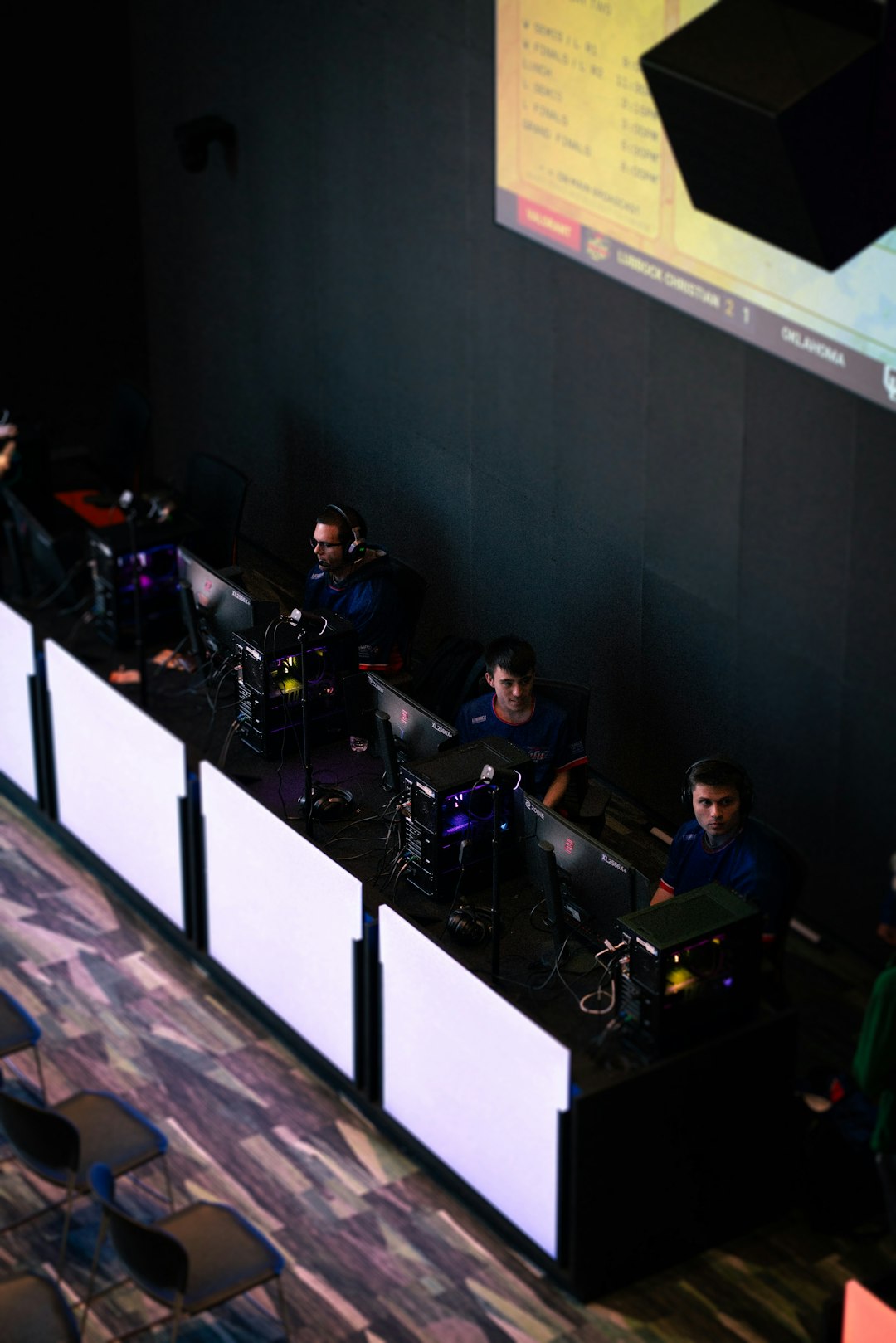

Esports is no longer a fringe hobby or a temporary internet trend. It is a global competitive industry with professional teams, publishers, broadcasters, coaches, analysts, event organizers, sponsors, and millions of viewers. For aspiring gamers, the dream of becoming a professional player is still real, but it is only one of many serious career paths available. Breaking into esports requires talent, discipline, networking, and a clear understanding of where your skills can create value.
TLDR: Esports offers more career options than professional play, including coaching, content creation, event operations, broadcasting, marketing, and data analysis. Aspiring gamers should build visible skills, compete or contribute consistently, and treat the industry like a professional field rather than a shortcut to fame. The best path depends on your strengths, your game knowledge, and your willingness to learn business, communication, and collaboration skills.
1. Professional Player
The most visible esports career is becoming a professional competitor. Players train for hours each day, review match footage, study opponents, and compete in leagues or tournaments. The standards are extremely high, and only a small percentage of players reach the top level.
If you want to pursue this route, start by choosing one game and committing to it seriously. Climbing ranked ladders, joining amateur teams, entering online tournaments, and building a public match history are essential steps. Teams and scouts look for more than mechanical skill; they want discipline, communication, adaptability, and emotional control under pressure.
- Best for: highly skilled players who thrive under competition.
- Key skills: game mastery, teamwork, focus, resilience, strategic thinking.
- First steps: compete regularly, track performance, join scrims, seek feedback.

2. Coach or Team Analyst
Not every expert player becomes a champion, and not every valuable team member needs to be the one holding the controller or mouse. Coaches and analysts help players improve strategies, refine communication, review mistakes, and prepare for specific opponents. In many esports titles, tactical depth is so advanced that teams rely heavily on staff to stay competitive.
A coach may focus on team culture, practice structure, drafting, positioning, or mental preparation. An analyst may study statistics, maps, weapon usage, hero selections, economy patterns, or opponent tendencies. These roles are ideal for people who understand competitive games deeply and can explain ideas clearly.
To begin, offer analysis for amateur teams, create breakdown videos, or publish written match reviews. Showing that you can turn complex gameplay into practical advice is one of the best ways to build credibility.
3. Content Creator and Streamer
Streaming and content creation remain powerful entry points into esports, but they should be approached as media businesses, not casual hobbies. Successful creators educate, entertain, analyze, or build communities around games. Some focus on high-level gameplay, while others specialize in tutorials, commentary, interviews, patch breakdowns, or behind-the-scenes coverage.
The challenge is competition. Thousands of creators stream daily, so consistency and positioning matter. Instead of trying to appeal to everyone, identify a clear niche. You might become the best beginner guide creator for a specific game, a respected tournament commentator, or a personality known for thoughtful analysis.
- Best for: gamers with communication skills and patience for audience building.
- Key skills: video production, storytelling, live presentation, editing, community management.
- First steps: post on a schedule, improve audio quality, study analytics, engage professionally.
4. Shoutcaster, Host, or Broadcast Talent
Esports broadcasts need skilled voices to guide viewers through the action. Shoutcasters describe live gameplay, explain strategy, build excitement, and provide context. Hosts and interviewers connect segments, speak with players, and maintain the tone of events.
This career path requires more than enthusiasm. Good broadcast talent prepares deeply, understands the game, speaks clearly, and can adapt quickly when matches become unpredictable. There are usually two common casting styles: play by play, which focuses on rapid live action, and color commentary, which explains strategy and meaning.
Beginners can practice by recording commentary over amateur matches, volunteering at local events, or collaborating with small tournament organizers. A polished demo reel is essential for applying to paid opportunities.

5. Tournament and Event Operations
Behind every smooth esports event is a team managing schedules, rules, player communication, match lobbies, technical checks, sponsors, production teams, and emergency problem solving. Event operations is one of the most practical career paths for people who are organized, calm, and detail oriented.
Roles in this area include tournament administrator, league coordinator, referee, stage manager, production assistant, and event producer. These professionals make sure matches start on time, rules are enforced fairly, disputes are handled properly, and the player and viewer experience remains professional.
Experience matters greatly. Start by helping run community tournaments, school competitions, local gaming events, or online leagues. Even small events can teach valuable lessons about communication, planning, and pressure.
6. Social Media, Marketing, and Community Management
Esports teams, tournament organizers, publishers, and gaming brands all need audiences. That makes marketing and community management essential. These roles involve building fan engagement, managing online communities, creating campaigns, coordinating announcements, and protecting the public reputation of an organization.
Community managers often work directly with fans on platforms such as Discord, X, Reddit, Instagram, TikTok, and YouTube. They must understand gaming culture while remaining professional during criticism, controversy, or rapid news cycles. Marketing specialists may focus on sponsorships, brand partnerships, paid campaigns, newsletters, or content strategy.
This path is suitable for people who enjoy both games and communication. A strong portfolio might include social media campaigns, community growth examples, event promotions, or content calendars.
7. Video Production, Design, and Creative Roles
Esports is highly visual. Teams and events need highlight reels, announcement videos, thumbnail designs, motion graphics, stream overlays, jerseys, posters, and sponsor assets. Creative professionals help shape how organizations look and feel to the public.
Video editors are especially valuable because esports generates constant footage. A good editor can turn raw gameplay into compelling stories, hype videos, educational clips, or social media content. Designers and motion artists help make broadcasts and team brands feel polished and serious.
- Best for: creative gamers who enjoy visual storytelling.
- Key skills: editing, graphic design, branding, pacing, software proficiency.
- First steps: build sample projects, edit match highlights, redesign broadcast graphics, create a portfolio.

8. Data, Performance, and Technology Roles
Modern esports increasingly relies on data. Analysts examine patterns in player performance, team strategies, match outcomes, and in-game decisions. Some organizations also work with software developers, statisticians, performance scientists, and tools specialists to improve training and scouting.
If you have strengths in mathematics, programming, spreadsheets, databases, or visualization, this can be a serious route into the industry. You might build dashboards, analyze tournament trends, develop scouting reports, or create tools that help coaches understand performance more clearly.
This path can be especially strong because technical skills are transferable beyond esports. Even if your first esports role is part time or freelance, the experience can support careers in sports analytics, software, research, or business intelligence.
How to Choose the Right Path
The best esports career is not always the most glamorous one. Start by making an honest assessment of your strengths. Are you genuinely elite at a game, or are you better at explaining it? Do you enjoy performing on camera, organizing people, studying data, or creating media? The industry rewards people who know where they fit and improve deliberately.
It is also wise to build a public record of your work. Depending on your path, that could mean tournament results, coaching documents, casting reels, edited videos, social media case studies, data reports, or event experience. A portfolio is often more convincing than a claim of passion.
Final Thoughts
Breaking into esports is possible, but it is not easy and should not be treated as a shortcut. The field is competitive, fast moving, and often demanding. However, for people who combine gaming knowledge with professional skills, there are many meaningful opportunities beyond becoming a star player.
Approach esports with patience, humility, and a willingness to work your way up. Volunteer strategically, learn from established professionals, document your progress, and keep improving your craft. Whether your future is on stage, behind the broadcast desk, in the analytics room, or managing the event itself, the most important step is to begin treating your ambition like a career.