

So, you’re ready to sound awesome on your streams or podcasts. Great move! One of the best upgrades you can make is a good mic. Trust us—people will forgive low video quality, but if your audio sounds like you’re recording in a cave, they’ll be gone faster than you can say “subscribe.”
TLDR:
Don’t have time to read it all? Here’s the quick scoop. If you’re getting into streaming or podcasting, a quality mic is a must. USB mics like the Blue Yeti are great for beginners. Advanced users can look into XLR setups like the Shure SM7B. Choose one that fits your space, style, and budget.
Why a Good Mic Matters
Ever joined a Zoom call or Twitch stream where the speaker sounds like they’re underwater? Yeah, don’t be that person. Clear audio makes your content professional, engaging, and keeps people listening longer.
It doesn’t matter if you’re a gamer, an aspiring podcaster, or just want to sound amazing in voice chats. Audio quality is king. And good news: with the right mic, you don’t need a fancy studio to sound great.
Types of Microphones
Before we jump into our recommendations, let’s break down the two most common types of microphones you’ll come across:
- USB Microphones – Plug-and-play and great for beginners.
- XLR Microphones – Require extra gear, but offer pro-level sound.
If you’re just starting out, go with USB. If you’re upgrading or want studio-level quality, XLR is your jam.
Best USB Microphones
1. Blue Yeti
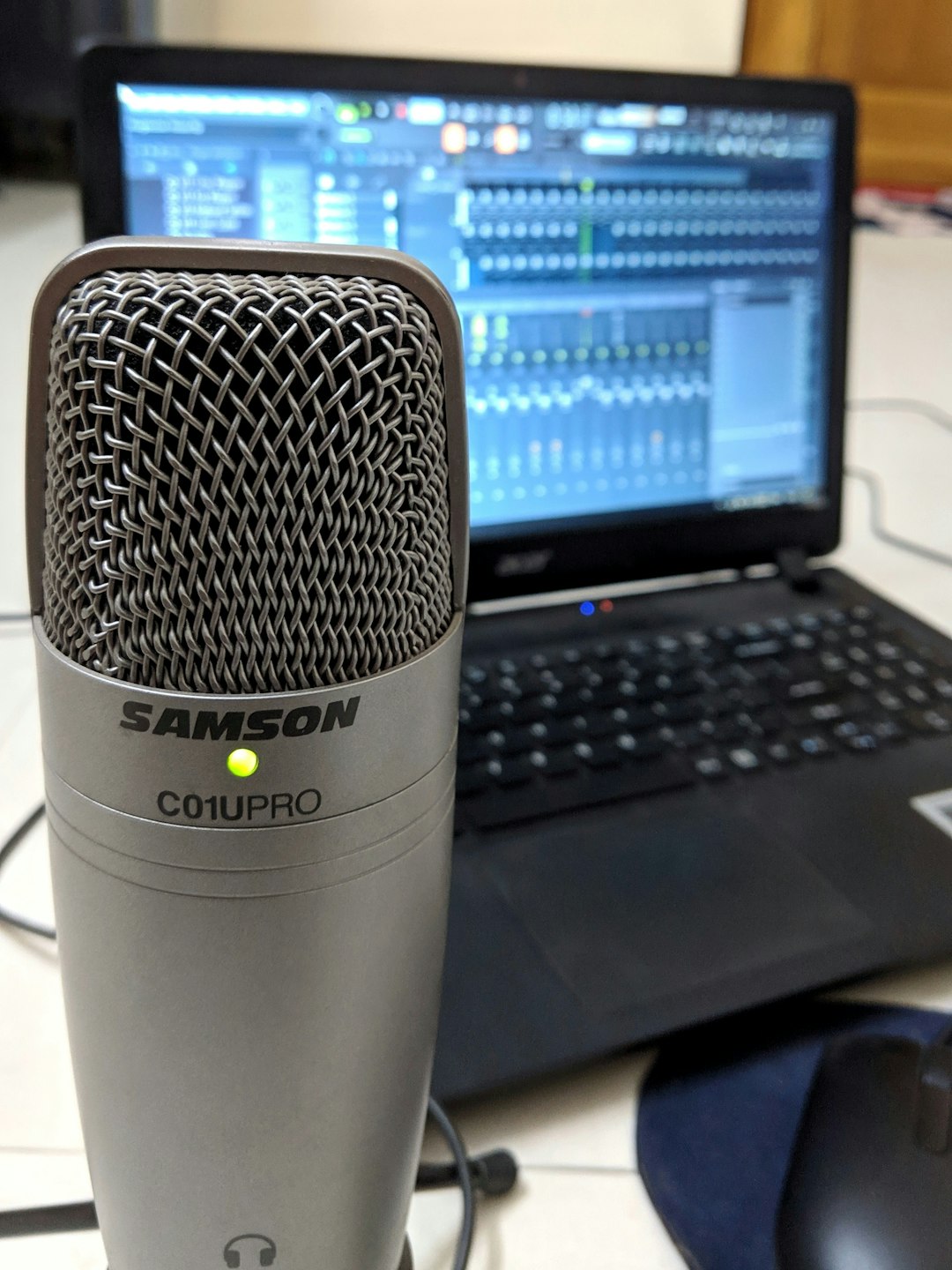
This one’s a legend. The Blue Yeti is probably the most popular USB mic for streamers and podcasters.
- Great sound quality
- Easy controls (gain, mute, pattern)
- Multiple pickup patterns
It looks cool on camera too. Whether you’re doing solo commentary or group talk, it gets the job done nicely.
2. Elgato Wave:3
This mic is made specifically for streamers. The software it comes with is powerful yet simple.
- Excellent audio quality
- Built-in clip guard (no more peaking!)
- Integrates perfectly with Elgato’s streaming tools
If you’re using OBS or streaming on Twitch, this mic will feel like it was made just for you.
3. Audio-Technica ATR2500x
This one flies under the radar, but it shouldn’t. It’s a solid pick for voices—especially if you don’t want to do too much editing later.
- Crisp voice capture
- Durable build
- Simple, no-fuss design
Perfect for podcasts or professional calls. Just plug in and go!
Best XLR Microphones
Want to sound like your favorite NPR host? Or those polished YouTubers? XLR it is. But remember, you’ll need an audio interface (like a Focusrite Scarlett) and maybe a boom arm or preamp to round out the setup.
1. Shure SM7B
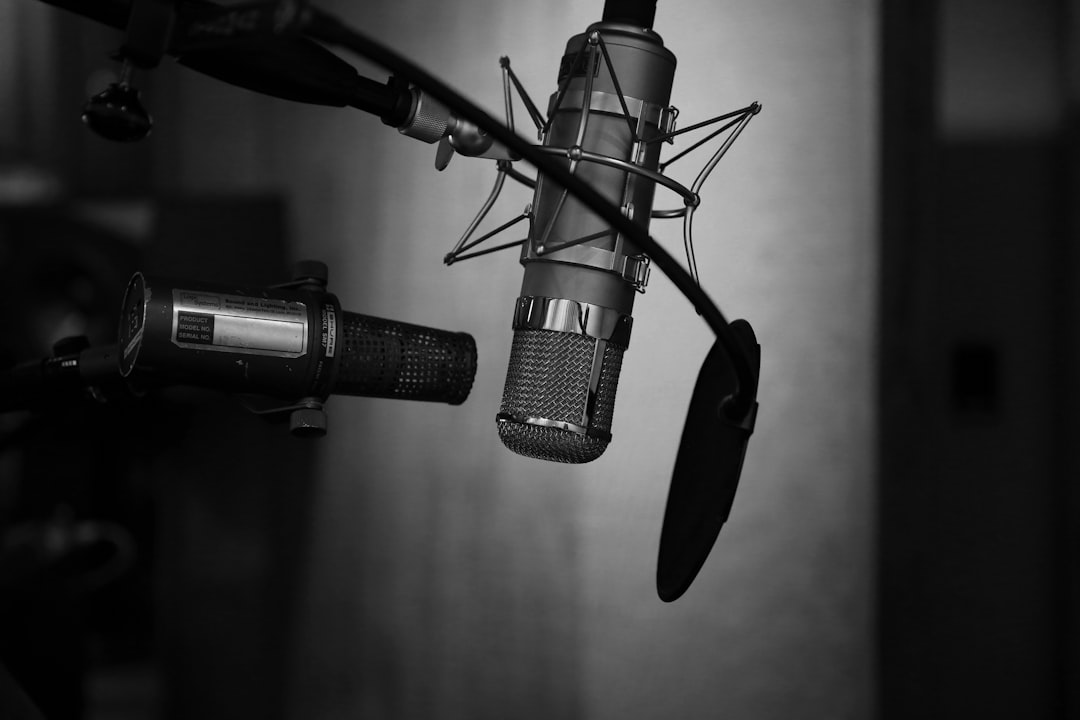
This is the mic for studio-level sound. Smooth, rich, and designed for vocals.
- Pro-level audio (used in studios worldwide)
- Excellent noise rejection
- Very forgiving on placement
But WARNING: it’s power-hungry. You’ll need a good preamp or Cloudlifter to sound your best.
2. Rode PodMic
Rode delivers pro quality without breaking the bank. PodMic is perfect for—you guessed it—podcasts.
- Warm, detailed sound
- Built like a tank
- Great value for XLR
If you’re setting up your first podcast studio, this mic is a favorite for a reason.
3. Audio-Technica AT2020
This one’s a favorite in home studios. Balanced middle ground between pro sound and affordable price.
- Clear and natural voice capture
- Sturdy design
- Works great for singing too!
If your content mixes spoken word and music, this is a smart pick.
Accessories You’ll Want
You’ve got the mic, but don’t stop there! These add-ons make a big difference:
- Pop filter – Blocks hard “P” sounds
- Boom arm – Keeps your mic from cluttering your desk
- Shock mount – Stops keyboard bumps and drags
They’re not mandatory, but they’ll seriously upgrade your sound game.
Streaming vs Podcasting: Do You Need Different Mics?
The good news? Most good mics work great for both!
However, think about your environment. Streamers often want cardioid mics that block out background noise. Podcasters may prefer more directional mics if they’re recording in a treated room.
If you’re in a noisy house, a dynamic mic like the Shure MV7 or Rode PodMic might suit you better than a super sensitive condenser mic.
Budget-Friendly Options
Just starting out? No stress. You don’t need to drop hundreds.
- Fifine K669B – Great for under $50. Surprisingly good sound.
- Samson Q2U – USB/XLR hybrid. Grows with your setup.
These mics prove you don’t need to spend big to sound lovely.
Quick Tips to Sound Better Instantly
- Stay close to the mic – About 6 inches is ideal.
- Reduce echo – Use soft surfaces like carpets and curtains.
- Mind your levels – Don’t let your voice peak into the red.
- Test before you go live – Always do a quick mic check!
Conclusion
Picking the best PC mic isn’t one-size-fits-all. Think about your space, your needs, and your budget. USB mics like the Blue Yeti or Elgato Wave:3 are awesome for easy setups. Going pro? Grab that Shure SM7B and get ready to sound like a true audio wizard.
Whatever you choose, remember this: great audio sells your voice. Make it count!