
Tennis is a sport built on timing, technique, and touch—and for new players, the right equipment can make the learning curve far less steep. One of the most important choices a beginner can make is selecting a racket that feels comfortable, forgiving, and easy to swing. Lightweight tennis rackets are especially popular among new players because they reduce arm strain, improve maneuverability, and help build confidence on the court.
TL;DR: Lightweight tennis rackets are ideal for new players because they are easier to control, reduce arm fatigue, and promote better stroke development. Look for rackets weighing between 9 and 10.5 ounces, with larger head sizes for forgiveness. Top beginner-friendly options include models from Wilson, Babolat, Head, and Yonex. Choosing the right grip size and string tension is just as important as the racket itself.
Why Lightweight Rackets Are Ideal for Beginners
New tennis players are still developing proper form and muscle memory. A heavy racket can lead to:
- Early fatigue during matches or practice sessions
- Poor swing mechanics
- Increased risk of arm strain or tennis elbow
Lightweight rackets, typically between 9 and 10.5 ounces (255–300 grams), allow beginners to swing more freely and react quickly at the net. The lighter weight promotes faster racket head speed, which can help generate power without requiring advanced technique.

Additionally, most beginner rackets feature larger head sizes (often 100–110 square inches). This increases the “sweet spot,” meaning off-center hits still produce decent shots—an important confidence booster for new players.
Key Features to Look For in a Lightweight Tennis Racket
Before jumping into specific models, it’s helpful to understand what makes a racket beginner-friendly.
1. Weight
Look for rackets labeled “lightweight” or “ultra-light.” Ideally:
- 255–280 grams (9–9.8 oz): Very easy to maneuver
- 280–300 grams (9.8–10.5 oz): Balanced mix of control and stability
2. Head Size
A larger head size (100–110 sq in) offers:
- More forgiveness on off-center hits
- Greater power with less effort
- Improved confidence during rallies
3. String Pattern
Beginners should look for an open string pattern (such as 16×19), which enhances spin potential and power.
4. Grip Size
Grip size matters more than many beginners realize. A grip that’s too small or too large can cause discomfort and long-term strain. Most adults fit between 4 1/8″ and 4 3/8″. When in doubt, consult a sizing chart or try different sizes before buying.
Best Lightweight Tennis Rackets for New Players
Here are some of the top-rated lightweight rackets that consistently earn praise from coaches and beginner players alike.
1. Wilson Clash 100L
The Wilson Clash 100L is known for its arm-friendly flexibility and easy power.
- Weight: ~280g (9.9 oz)
- Head Size: 100 sq in
- String Pattern: 16×19
- Best For: Players wanting comfort and control
Why it’s great: The flexible frame reduces shock, making it a strong choice for players concerned about arm discomfort.
2. Babolat Boost Drive
One of the lightest adult rackets available, the Babolat Boost Drive is ideal for absolute beginners.
- Weight: ~260g (9.2 oz)
- Head Size: 105 sq in
- String Pattern: 16×19
- Best For: New players who want effortless power
Why it’s great: Its oversized head and ultra-light frame make it extremely forgiving.
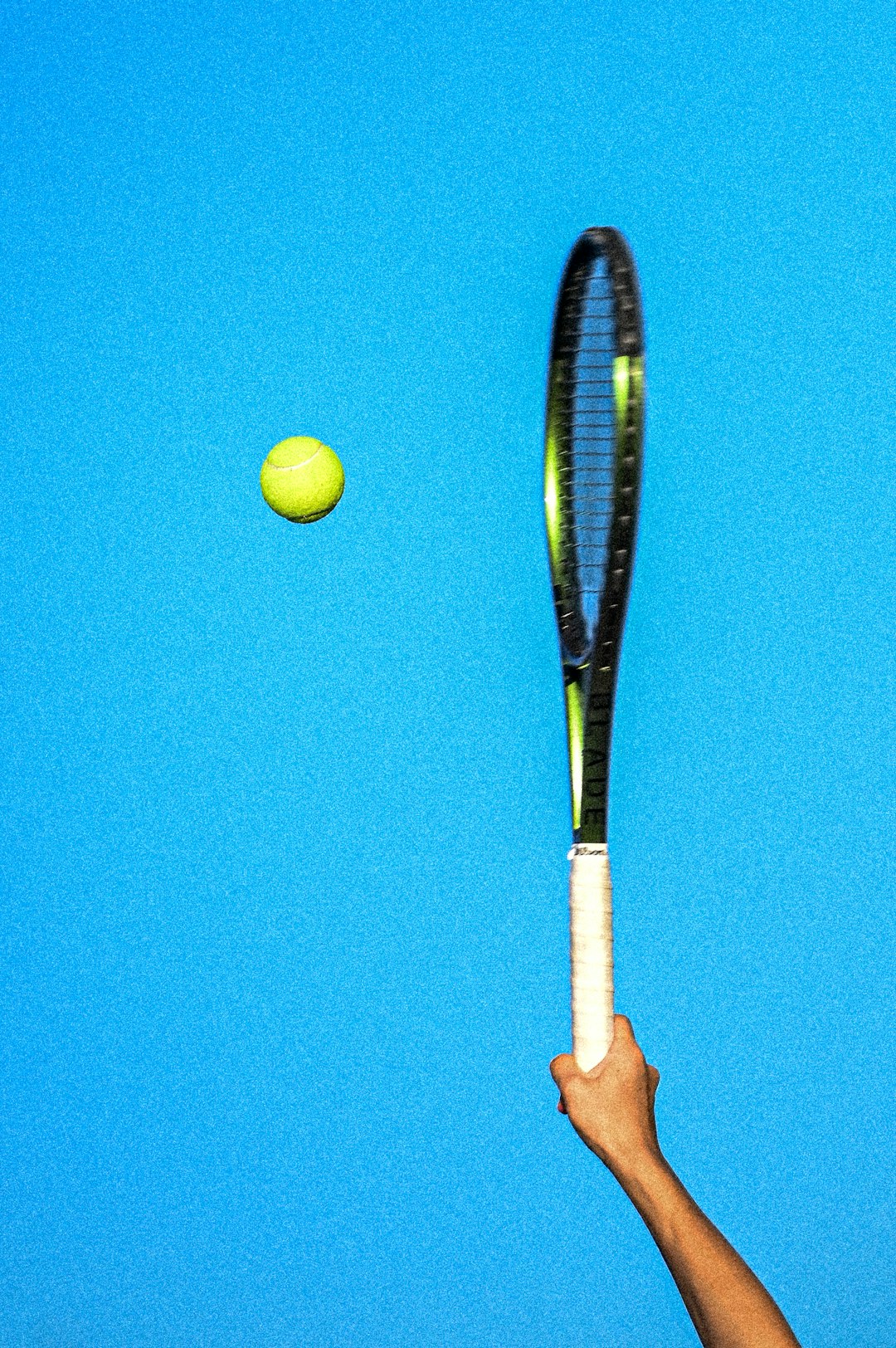
3. Head Ti.S6
A longtime favorite among recreational players, the Head Ti.S6 continues to be a popular beginner option.
- Weight: ~252g (8.9 oz)
- Head Size: 115 sq in
- String Pattern: 16×19
- Best For: Maximum power and large sweet spot
Why it’s great: Extra-large head size delivers exceptional forgiveness and depth on groundstrokes.
4. Yonex Ezone 100L
Known for its isometric head shape, the Yonex Ezone 100L provides a slightly larger sweet spot compared to traditional oval designs.
- Weight: ~285g (10 oz)
- Head Size: 100 sq in
- String Pattern: 16×19
- Best For: Beginners planning to advance quickly
Why it’s great: Offers a more “serious player” feel while still being lightweight and manageable.
5. Prince Textreme Warrior 100L
The Prince Warrior 100L blends power with stability.
- Weight: ~280g (9.9 oz)
- Head Size: 100 sq in
- String Pattern: 16×18
- Best For: Players who want extra spin potential
Why it’s great: The slightly more open string pattern encourages spin for developing topspin shots.
Comparison Chart
| Racket | Weight | Head Size | Power Level | Best For |
|---|---|---|---|---|
| Wilson Clash 100L | 280g | 100 sq in | Medium | Comfort and control |
| Babolat Boost Drive | 260g | 105 sq in | High | Absolute beginners |
| Head Ti.S6 | 252g | 115 sq in | Very High | Maximum forgiveness |
| Yonex Ezone 100L | 285g | 100 sq in | Medium | Developing players |
| Prince Warrior 100L | 280g | 100 sq in | Medium-High | Spin-focused beginners |
Oversized vs. Standard Head: What Should You Choose?
For true beginners, an oversized head (105–115 sq in) is typically the safest bet. It:
- Provides more margin for error
- Helps keep balls in play longer
- Boosts confidence during matches
However, if you aim to improve rapidly and play competitively, starting with a 100 sq in frame may smooth your transition to intermediate-level rackets later.
Pre-Strung vs. Custom Stringing
Most lightweight beginner rackets come pre-strung, which is perfectly fine when starting out. As you progress, consider:
- Lower tension for more power and comfort
- Higher tension for added control
- Multifilament strings for arm-friendliness
Custom stringing becomes more important as your technique and preferences develop.
Common Mistakes Beginners Make When Choosing a Racket
1. Picking What the Pros Use
Professional players often use heavier, control-oriented rackets that demand advanced technique. These can feel unforgiving and difficult for beginners.
2. Ignoring Grip Size
An incorrect grip size can lead to blisters or arm pain. Comfort should always come first.
3. Choosing Heavy for “More Power”
Power comes from technique and timing—not just racket weight. A lighter racket often produces better results early on.
When to Upgrade from a Lightweight Racket
As your skills improve, you might notice:
- You generate your own power easily
- You want more control on aggressive shots
- Your swings feel faster and more stable
At that stage, transitioning to a slightly heavier racket (300–315g) can offer more stability and precision. However, many recreational players happily stick with lightweight models for years.
Final Thoughts
Choosing one of the best lightweight tennis rackets for new players can dramatically improve your early experiences on the court. The right racket should feel like a natural extension of your arm—easy to swing, comfortable to hold, and forgiving on imperfect hits.
For most beginners, rackets in the 260–285g range with head sizes around 100–110 square inches offer the best combination of power, forgiveness, and maneuverability. Brands like Wilson, Babolat, Head, Yonex, and Prince consistently deliver reliable options tailored to developing players.
Ultimately, the best racket is one that gives you confidence. With the right lightweight frame in your hand, you’ll spend less time struggling with your equipment—and more time enjoying rallies, improving your strokes, and falling in love with the game.