
In an era where inflation pressures household budgets and financial uncertainty feels constant, digital tools have stepped in to help individuals regain control. Personal finance apps are no longer simple expense trackers—they are intelligent systems that analyze behavior, automate savings, and actively coach users toward smarter decisions. Recent user data and financial behavior studies suggest that consistent use of structured budgeting and automated savings tools can help individuals achieve up to 45% higher savings goals compared to manual budgeting alone.
TLDR: Modern personal finance apps combine automation, behavioral psychology, and real-time analytics to help users save significantly more—often up to 45% beyond their original goals. Tools like Mint, YNAB, PocketGuard, Acorns, Digit, and Monarch Money offer different strengths, from zero-based budgeting to automated micro-investing. By leveraging smart alerts, spending caps, and goal tracking, these apps turn financial intention into measurable progress. Choosing the right app depends on budgeting style, automation preference, and long-term financial plans.
Why Personal Finance Apps Boost Savings
The key reason these tools increase savings performance lies in behavioral reinforcement. Instead of relying solely on willpower, apps implement structured systems such as:
- Automated transfers that remove the temptation to spend
- Real-time spending alerts that encourage immediate course correction
- Goal visualization dashboards that strengthen motivation
- Personalized insights based on spending history

When users consistently interact with these features, they gain clarity and accountability—two major contributors to higher savings rates. Below are six standout apps helping users achieve measurable financial growth.
1. Mint – Best for Automated Budget Tracking
Mint remains one of the most recognizable budgeting tools due to its automated expense categorization and intuitive dashboard. Users link bank accounts, credit cards, loans, and investments to receive a comprehensive overview of their financial life.
Key Features:
- Automatic transaction categorization
- Bill tracking and due-date alerts
- Free credit score monitoring
- Customizable savings goals
Mint users report higher savings because the tool identifies recurring expenses and highlights areas of overspending. Awareness alone can drive behavioral change, particularly when paired with alerts that notify users when they approach category limits.
2. YNAB (You Need A Budget) – Best for Zero-Based Budgeting
YNAB is built around the principle that every dollar should have a purpose. This zero-based budgeting method pushes users to assign income toward categories before it is spent.
Key Features:
- Goal-based planning
- Real-time budget adjustments
- Financial education workshops
- Proactive spending allocation
Users frequently achieve higher savings rates because YNAB forces intentional allocation. Instead of saving what remains at the end of the month, users prioritize saving at the start. This psychological shift often leads to stronger financial discipline.
3. PocketGuard – Best for Overspending Prevention
PocketGuard simplifies budgeting by showing users exactly how much “safe-to-spend” money remains after accounting for bills and savings.
Key Features:
- “In My Pocket” spending calculator
- Bill negotiation features
- Subscription tracking
- Spending pattern insights
Many users report improved savings because the app removes guesswork. When individuals see a clear daily spending limit, impulsive purchases decline significantly.
4. Acorns – Best for Micro-Investing Automation
Acorns rounds up everyday purchases and automatically invests spare change into diversified portfolios.
Key Features:
- Round-up investing
- Automated recurring investments
- Diversified ETF portfolios
- Retirement account options
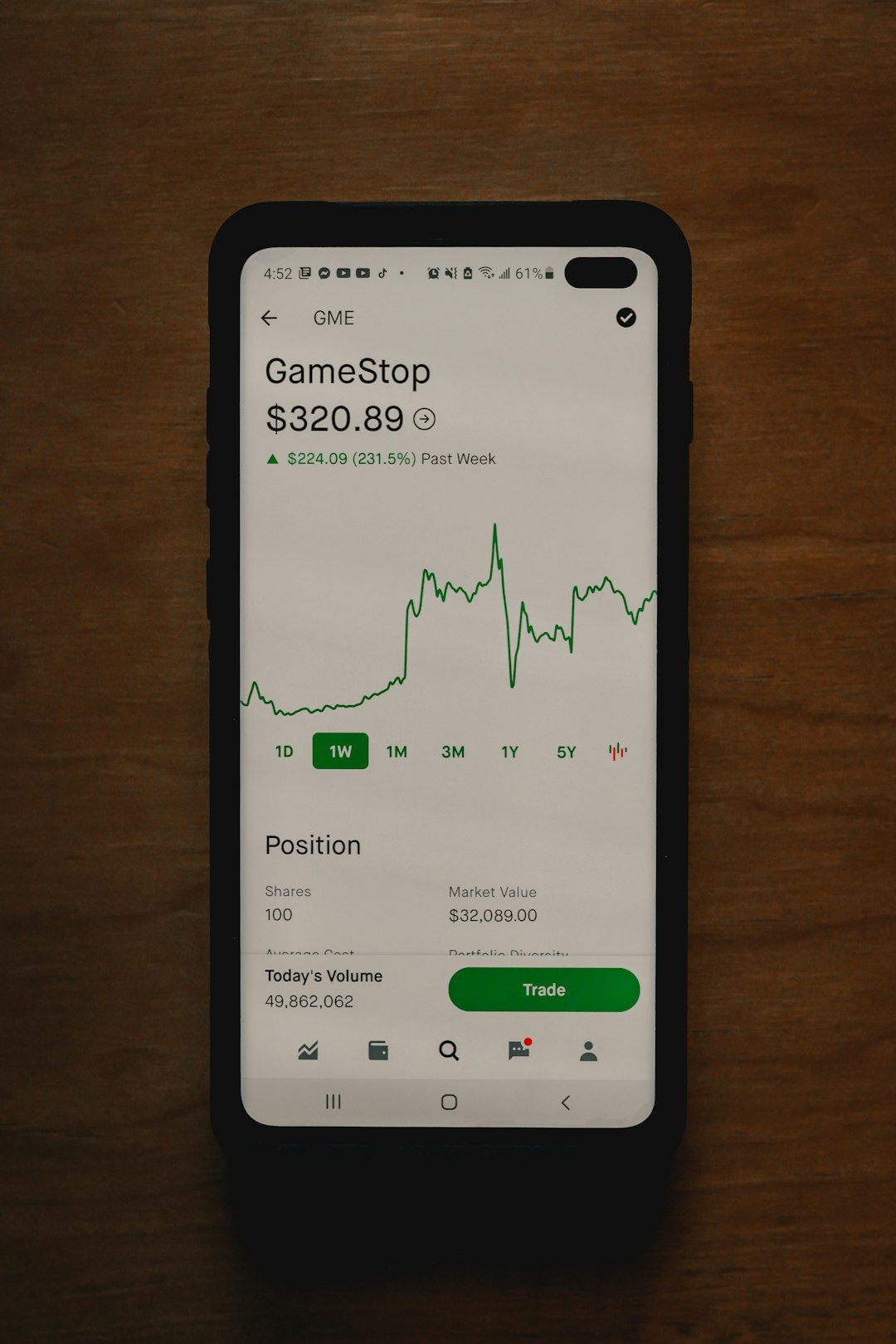
This passive investing structure makes saving and investing effortless. Because the amounts are small and automated, users build wealth steadily without feeling financial strain—contributing to long-term savings growth well above initial expectations.
5. Digit – Best for Smart Automated Savings
Digit analyzes spending habits and automatically transfers small amounts into savings accounts based on what users can afford.
Key Features:
- AI-powered savings analysis
- Overdraft prevention
- Multiple goal tracking
- Automated savings transfers
Unlike manual savings plans, Digit’s algorithm continuously adjusts deposit amounts. Users often save more than planned because automation removes decision fatigue and emotional spending interference.
6. Monarch Money – Best for Comprehensive Financial Planning
Monarch Money offers a holistic financial overview, integrating budgeting, investment tracking, and goal planning into one interface.
Key Features:
- Shared household budgeting
- Investment tracking
- Custom financial reports
- Long-term wealth projections
Couples and families especially benefit from shared visibility. Collaborative tracking increases accountability and alignment, often driving stronger collective savings habits.
Comparison Chart
| App | Best For | Automation Level | Investment Features | Ideal User |
|---|---|---|---|---|
| Mint | Expense Tracking | Moderate | Basic Tracking | Beginners |
| YNAB | Zero-Based Budgeting | Manual + Alerts | No Direct Investing | Hands-on Planners |
| PocketGuard | Spending Control | Moderate | No | Impulse Spenders |
| Acorns | Micro-Investing | High | Yes | New Investors |
| Digit | Automated Savings | High | No | Passive Savers |
| Monarch Money | Holistic Planning | Moderate | Yes | Families |
How These Apps Drive 45% Higher Savings
The increase in savings performance stems from three central mechanisms:
- Automation – Removing manual steps increases consistency.
- Clarity – Real-time data reduces financial uncertainty.
- Behavioral Nudges – Alerts and goal tracking reinforce discipline.

Users who combine automated transfers with visual goal tracking report stronger emotional engagement with their financial progress. Seeing a savings bar gradually fill creates measurable motivation. Over time, even small monthly improvements compound into substantial gains.
Choosing the Right App
Selecting the best finance app depends on personal style:
- If someone prefers structure and discipline, YNAB may be ideal.
- If automation is the goal, Digit or Acorns provide minimal effort pathways.
- If clarity and simplicity are priorities, PocketGuard offers simplicity.
- If long-term household planning matters most, Monarch Money stands out.
Ultimately, the app that integrates seamlessly into daily life will deliver the highest savings growth. Consistency is more important than complexity.
Frequently Asked Questions (FAQ)
1. Can personal finance apps really increase savings by 45%?
While individual results vary, users who consistently follow structured budgets and automated savings plans often report significant increases in savings compared to manual methods alone.
2. Are these apps safe to connect to bank accounts?
Most reputable finance apps use bank-level encryption and secure APIs. Users should still review privacy policies and enable multi-factor authentication.
3. Which app is best for beginners?
Mint and Acorns are often recommended for beginners due to their intuitive interfaces and automation features.
4. Do these apps replace financial advisors?
They can support budgeting and savings but typically do not replace comprehensive financial planning advice for complex investments or tax strategies.
5. Are paid apps worth the subscription cost?
Many users find that even small improvements in budgeting and automation easily offset monthly subscription fees through increased savings.
6. How long does it take to see measurable savings growth?
Many users notice improved financial clarity within the first month, with meaningful savings increases becoming visible within three to six months of consistent use.
Personal finance apps are reshaping how individuals interact with money. By blending automation, analytics, and behavioral psychology, these six tools empower users to move beyond good intentions and achieve tangible financial improvement—often surpassing their original savings goals by a wide margin.